Exploring the Thrills of Snowboard Tricks: A Guide for Every Rider

Snowboarding is not just about cruising down the slopes; it’s also about expressing creativity and style through tricks. From simple grabs to complex spins, mastering snowboard tricks can elevate your riding experience and add excitement to your time on the mountain. In this article, we will explore various snowboard tricks, offering techniques and tips for riders at all skill levels to improve their performance and confidence.

Understanding Snowboard Tricks

Before diving into specific tricks, it’s important to understand the categories they fall into. Snowboard tricks can generally be categorized into three main types: grabs, spins, and flips. Each category requires different techniques and approaches, so it’s essential to practice them in a safe and controlled environment.

Grabs: Adding Style to Your Air

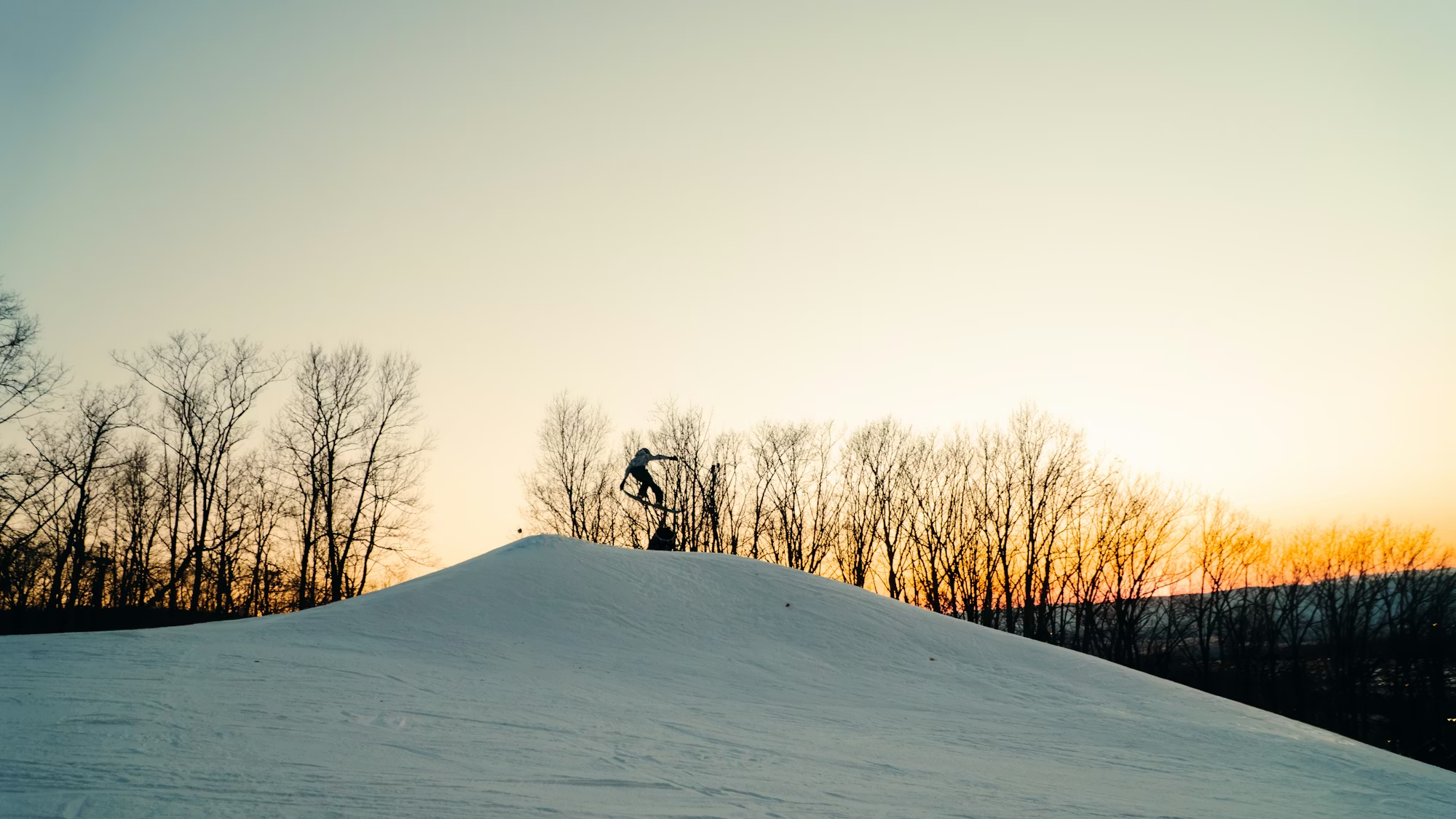
Grabs are a great starting point for riders looking to add flair to their jumps. A grab involves reaching down and grabbing your board while airborne, which not only looks impressive but also helps stabilize your body in the air. Here are a few popular grabs to try:

1. Method Grab: This classic grab involves reaching down with your back hand to grab the heel edge of your board. To perform a Method grab, approach the jump with speed, pop off the lip, and reach down while extending your legs. This grab is visually appealing and showcases style.

2. Indy Grab: In this grab, you reach down with your front hand to grab the heel edge of your board between your feet. To execute an Indy grab, approach the jump confidently, extend your legs while in the air, and reach down to grab the board. This trick is versatile and commonly used in many snowboard competitions.

3. Stalefish Grab: The Stalefish is similar to the Indy grab, but instead, you grab the heel edge with your back hand. This grab can be executed similarly to the Indy, and it’s great for adding variety to your trick repertoire.

Spins: Mastering Rotation in the Air

Spins are an exhilarating way to challenge your skills and impress your friends. They involve rotating your body while airborne and can range from 180s to 1080s. Here’s how to get started with spins:

1. Frontside 180: This is a foundational spin that involves rotating your body 180 degrees while facing downhill. To perform a Frontside 180, initiate the spin by looking over your shoulder in the direction of the turn. As you leave the lip of the jump, rotate your hips and shoulders while pulling your knees up towards your chest.

2. Backside 360: The Backside 360 is an excellent trick for riders looking to progress. To execute this spin, approach the jump with speed, wind up your upper body by looking back, and release the tension as you pop off the lip. Focus on keeping your body compact and spotting your landing as you complete the spin.

3. Switch Spins: For a more advanced challenge, try performing spins while riding switch (with your non-dominant foot forward). This variation adds difficulty and style, making it an impressive move in any run.

Flips: Taking Air to New Heights

Flips are some of the most thrilling tricks in snowboarding, requiring a mix of courage and skill. While they may seem intimidating, mastering them can significantly enhance your riding experience. Here are some flips to consider:

1. Front Flip: To execute a front flip, approach the jump with a moderate speed. As you reach the lip, crouch down slightly and then pop off the jump while leaning forward. Tuck your knees to your chest to help initiate the flip and spot your landing as you complete the maneuver.

2. Back Flip: The back flip is a crowd favorite, but it requires confidence and practice. Start by finding a jump with a good amount of height. Approach the lip with speed, crouch down, and then pop off while leaning back. Pull your knees to your chest and rotate backward, spotting your landing as you come down.

3. 720 Flip: This trick combines a spin and a flip, resulting in a 720-degree rotation while flipping backward or forward. It’s essential to master both the 360 spin and the flip separately before attempting this trick.

Tips for Progressing Your Trick Skills

While learning tricks can be exciting, it’s important to approach them with care and consideration. Here are some tips to help you progress safely:

1. Practice in Terrain Parks: Terrain parks offer features specifically designed for practicing tricks, such as jumps, rails, and boxes. Spend time in these areas to get comfortable with various features before attempting more advanced maneuvers.

2. Start Small: Begin with smaller jumps and gradually work your way up to larger features. This progression allows you to build confidence and refine your technique without the pressure of larger drops.

3. Use Video Analysis: Filming your attempts can provide valuable insight into your technique. Reviewing footage allows you to identify areas for improvement and track your progress over time.

4. Ride with Friends: Snowboarding with friends creates a supportive environment where you can learn from each other, share tips, and encourage one another to try new tricks. Having a riding buddy can also make the experience more enjoyable and less intimidating.

5. Be Patient: Mastering tricks takes time and practice. Don’t get discouraged if you don’t land a trick on your first few attempts. Focus on the process and celebrate small victories along the way.

Conclusion

Snowboarding tricks offer a thrilling way to express creativity and improve your skills on the mountain. Whether you’re working on grabs, spins, or flips, mastering these techniques enhances your riding experience and adds excitement to your time on the slopes. By practicing regularly, using the tips provided, and maintaining a positive mindset, you can unlock new levels of fun and achievement in your snowboarding journey. So gear up, hit the mountain, and enjoy the ride!

Exploring the Rich Tapestry of Golf Formats

Golf is a sport that combines precision, strategy, and a love for the outdoors, making it a cherished pastime for millions around the globe. One of the most fascinating aspects of golf is its variety of playing formats, each offering unique challenges and experiences. Understanding these formats can enhance your enjoyment and help you develop the skills necessary to excel on the course. In this article, we will explore several popular golf formats, detailing their characteristics and strategies that can elevate your game.

Stroke Play: The Classic Format

Stroke Play is the most commonly played format in golf, where each golfer aims to complete the course in the fewest number of strokes. This format requires players to keep track of their total strokes over the entire round, with the player recording the lowest score declared the winner. The straightforward nature of stroke play makes it accessible for golfers of all skill levels, from beginners to professionals.

Success in stroke play hinges on a combination of skill, course management, and mental fortitude. Players must approach each hole with a strategic mindset, analyzing the layout, hazards, and potential pitfalls. Developing a strong short game is essential, as many strokes can be lost around the greens. Moreover, maintaining focus throughout the round is vital; a lapse in concentration can lead to costly mistakes. Golfers should practice various shots, from driving to chipping and putting, to build confidence and consistency, ultimately reducing their overall stroke count.

Match Play: A Battle of Wits

Match Play shifts the focus from total strokes to head-to-head competition, where players compete hole by hole. The objective is to win the most holes rather than achieve the lowest score overall. This format introduces an element of strategy, as players must gauge their opponent’s performance and adapt their approach accordingly. Match play can create an exciting and dynamic atmosphere, as the outcome of each hole can significantly influence the match.

For instance, a player who is ahead in match play may adopt a more conservative strategy to protect their lead, while a trailing player might take calculated risks to win back holes. This format rewards not just individual skill but also the ability to read the game and respond to the opponent’s moves. Whether in casual rounds with friends or competitive tournaments, match play offers a thrilling experience that emphasizes direct competition and strategy.

Team Spirit in Fourball and Foursomes

The team formats of Fourball Match Play and Foursomes Match Play bring an exciting collaborative aspect to golf. In Fourball, two teams of two players each compete, with each player using their own ball. The team’s score for each hole is based on the best score from either player, allowing for a blend of individual achievement and teamwork. Communication and strategy play crucial roles, as teammates must support each other while navigating the challenges of the course.

In contrast, Foursomes Match Play requires a higher level of coordination. Teammates alternate hitting the same ball until it is holed, which demands trust and synergy. One player tees off on odd-numbered holes while the other takes the tee on even-numbered holes. This format tests the ability to work together seamlessly, as each shot can impact the team’s success. The camaraderie fostered through these formats makes them popular choices for both friendly games and competitive events.

The Fun of Scramble Tournaments

Scramble Tournaments are celebrated for their inclusive and enjoyable nature. In this format, teams of players each hit a tee shot, and then they select the best shot to continue from. This approach allows players of varying skill levels to contribute, making the game accessible and fun for everyone involved. Scrambles often lead to lower scores than individual play, adding to the excitement of the round.

The collaborative spirit of a scramble fosters a supportive environment where players can celebrate each other’s successes. This format is particularly ideal for social gatherings, charity events, and introducing newcomers to the game. By alleviating the pressure associated with individual performance, scrambles encourage camaraderie and enjoyment, making it a beloved choice among golfers.

Competitive Edge in Skins Games

The Skins Game adds a unique competitive twist to golf, with each hole assigned a specific value known as a skin. Players compete to win skins based on their scores on each hole, creating an engaging and dynamic atmosphere. If no player wins a hole outright, the skin carries over to the next hole, raising the stakes and intensifying the competition.

This format encourages players to stay focused and perform their best on every hole, as each skin contributes to their overall success. The thrill of potentially winning a skin can lead to strategic decisions, where players weigh the risks and rewards of their shots. Skins games are particularly popular in casual settings among friends, injecting an element of excitement and rivalry into the round.

The Appeal of Stableford Scoring

Stableford Scoring offers a refreshing alternative to traditional stroke play. In this format, players earn points based on their performance relative to a fixed score on each hole, allowing them to accumulate points throughout the round. This system encourages golfers to focus on making pars or better while providing the freedom to recover from mistakes without severe penalties.

The Stableford format fosters a more relaxed atmosphere, as players can play aggressively without the fear of a single bad hole ruining their overall score. This flexibility makes it an appealing choice for both social play and competitive events, as it maintains competitiveness while promoting enjoyment of the game. Golfers can engage in spirited competition while also allowing for a more forgiving experience, enhancing the overall enjoyment of the round.

Best Ball and Alternate Shot Formats

In the Best Ball Tournament format, players combine individual talent with team dynamics. Each golfer plays their own ball throughout the round, and the team’s score is based on the best score achieved on each hole. This format allows individuals to showcase their skills while contributing to the team’s overall performance, making it a popular choice for friendly outings and competitive events alike.

Conversely, the Alternate Shot Format emphasizes teamwork in a different way. In this format, partners take turns hitting the same ball until it is holed, requiring effective communication and collaboration. One player tees off on odd-numbered holes, while the other takes their turn on even-numbered holes. This structure creates a unique challenge that not only tests individual skills but also examines the chemistry between teammates, resulting in an engaging and interactive experience on the course.

Conclusion: Celebrating the Diversity of Golf

The multitude of formats available in golf ensures that players can find something that suits their preferences and skill levels. From the individual challenges of stroke play to the cooperative spirit of scramble tournaments, each format adds a distinct flavor to the game. By understanding and embracing these diverse formats, golfers can enhance their skills, deepen their appreciation for the sport, and enjoy countless hours on the course. So gather your friends, choose a format that excites you, and dive into the wonderful world of golf.

Exploring the Thrills of Snowboarding: Techniques, Styles, and Tips

Snowboarding is more than just a sport; it’s an exhilarating blend of artistry, skill, and connection with nature. Whether you’re a seasoned rider or just starting, understanding the different styles of snowboarding and honing your techniques can elevate your experience on the mountain. In this article, we will explore the various disciplines within snowboarding, discuss essential techniques, and provide tips to help you maximize your enjoyment on the slopes.

The Different Styles of Snowboarding

Snowboarding encompasses a range of styles, each with its unique appeal and techniques. Here are the primary styles you’ll encounter:

1. Freestyle Snowboarding
Freestyle snowboarding emphasizes creativity and skill in performing tricks, jumps, and maneuvers. This style is primarily practiced in terrain parks, where features like rails, boxes, and halfpipes are available. Freestyle riders focus on enhancing their style and creativity, often pushing the boundaries of what’s possible on a snowboard.

– Terrain Park Riding: Riders navigate various features designed for tricks, honing their skills in jumps and rail slides. The terrain park is a hub for social interaction among riders and a place to showcase new tricks.
– Halfpipe Riding: This involves riding back and forth in a U-shaped snow structure, executing aerial maneuvers. The halfpipe provides an arena for athletes to showcase their technical skills and creativity, often seen in competitions.

2. Freeride/All-Mountain Snowboarding
Freeride snowboarding encompasses a more exploratory approach, focusing on riding diverse terrains beyond the groomed slopes. This style is ideal for riders who crave adventure and the thrill of fresh powder.

– All-Mountain Riding: This versatile style involves navigating a variety of terrains, including groomed trails, moguls, and tree runs. All-mountain riders adapt to changing conditions, making it an excellent choice for those who enjoy varied riding experiences.
– Backcountry Riding: This style takes riders off the beaten path, exploring ungroomed and unmarked areas of the mountain. Backcountry riding often requires hiking or using snowmobiles to access remote spots, offering a sense of freedom and discovery.

3. Big Mountain/Extreme Riding
For those seeking the ultimate thrill, big mountain or extreme riding involves tackling steep, rugged terrain in challenging conditions. This discipline pushes riders to their limits, requiring advanced skills and experience.

– Big Mountain Riding: Riders descend steep slopes and navigate natural features such as cliffs and chutes, often in deep powder. The adrenaline rush and sense of accomplishment make this style highly rewarding for experienced snowboarders.

4. Alpine/Race Snowboarding
Alpine snowboarding emphasizes precision and speed, with a focus on racing down specially designed courses. This style requires a different set of skills compared to freestyle or freeride snowboarding.

– Alpine Racing: This discipline features high-speed races through a course marked by gates. Riders need to master turns and maintain speed while navigating the course efficiently.
– Boardercross/Snowboard Cross (SBX): This exciting competition format involves multiple riders racing down a course with jumps and obstacles. Boardercross combines speed, strategy, and skill as riders navigate the course while competing against others.

5. Splitboarding
Splitboarding is a specialized form of snowboarding that allows riders to access backcountry terrain. A splitboard can be separated into two skis for uphill climbing and reassembled for downhill riding. This style offers a unique adventure, blending snowboarding with elements of hiking and skiing.

6. Adaptive Snowboarding
Adaptive snowboarding is tailored for individuals with disabilities, providing modifications to equipment and techniques. This inclusive approach allows everyone to enjoy the thrill of snowboarding, fostering a supportive community on the slopes.

Essential Techniques for Snowboarding

Regardless of the style you choose, mastering fundamental techniques is essential for success on the slopes. Here are some key techniques to focus on:

1. Stance and Balance
Your stance on the snowboard significantly impacts your balance and control. Most riders adopt either a regular (left foot forward) or goofy (right foot forward) stance. Finding your natural stance is crucial; practice riding in both positions to determine what feels most comfortable.

Balance is fundamental in snowboarding. Practice shifting your weight from toe to heel while gliding, which will help you maintain control during turns and transitions.

2. Carving
Carving is the technique of turning on the edge of the snowboard. To carve effectively, lean into the turn while keeping your body aligned with the board. Engage your edges to create clean arcs in the snow, allowing for greater speed and control.

3. Jumps and Tricks
For freestyle riders, mastering jumps and tricks is key to progressing in this discipline. Start by practicing small jumps, focusing on your takeoff and landing. As you gain confidence, gradually increase the height and complexity of your tricks. Always prioritize safety and consider wearing protective gear while practicing.

Tips for Snowboarding Success

To make the most of your snowboarding experience, consider these tips:

1. Take Lessons: If you’re a beginner or looking to refine your skills, consider taking lessons from a qualified instructor. They can provide personalized feedback and help you progress more quickly.

2. Know Your Limits: It’s essential to challenge yourself but also recognize when to back off. Pushing too hard can lead to injuries, so listen to your body and ride within your comfort zone.

3. Stay Hydrated and Nourished: Snowboarding is physically demanding. Ensure you stay hydrated and eat well to maintain your energy levels throughout the day.

4. Wear Proper Gear: Invest in quality snowboarding gear that suits your style and the conditions. Comfortable and well-fitted equipment enhances performance and enjoyment.

5. Practice Regularly: Like any sport, regular practice is key to improvement. Try to get out on the slopes as often as possible to refine your skills and build confidence.

Conclusion

Snowboarding is a dynamic and thrilling sport that offers a wide array of styles and techniques to explore. Whether you’re interested in freestyle, freeride, racing, or adaptive snowboarding, understanding the nuances of each style will enhance your overall experience. By focusing on essential techniques and following these tips, you’ll not only improve your skills but also deepen your love for this exhilarating winter sport. So grab your gear, hit the slopes, and enjoy the ride!

Exploring the Art of Mindful Living: A Path to Inner Peace

In a world that often feels chaotic and overwhelming, the pursuit of inner peace and mental clarity has become increasingly important. Mindful living is a transformative practice that encourages individuals to focus on the present moment, cultivate awareness, and foster a sense of calm amidst the noise of daily life. This article explores the principles of mindful living, its numerous benefits, and practical steps to integrate mindfulness into your everyday routine.

Understanding Mindful Living
Mindful living is rooted in the ancient practice of mindfulness, which originates from Buddhist traditions. It emphasizes being fully present in the moment, observing thoughts and feelings without judgment. At its core, mindfulness is about cultivating awareness and appreciation for our experiences, whether they are joyful, challenging, or mundane.

Incorporating mindfulness into daily life means shifting our attention away from distractions and allowing ourselves to experience each moment fully. This practice can take many forms, including meditation, mindful eating, walking, and even simple daily activities like washing dishes or brushing our teeth. By engaging in these practices, we learn to appreciate the richness of life, no matter how ordinary it may seem.

Benefits of Mindful Living
The benefits of mindful living extend beyond simply reducing stress. Numerous studies have demonstrated that practicing mindfulness can have profound effects on mental health and overall well-being:

1. Reduced Stress and Anxiety: Mindfulness helps to decrease stress levels by encouraging individuals to focus on the present rather than worrying about the future or dwelling on the past. This shift in perspective can lead to greater emotional resilience and a more balanced approach to life’s challenges.

2. Enhanced Focus and Concentration: Regular mindfulness practice can improve attention span and concentration. By training the mind to focus on one thing at a time, we become less susceptible to distractions, which can enhance productivity in both personal and professional settings.

3. Improved Emotional Regulation: Mindfulness fosters a greater awareness of our emotions, allowing us to respond rather than react impulsively. This increased emotional intelligence can lead to healthier relationships and improved communication.

4. Better Physical Health: Research has shown that mindfulness can lead to improved physical health outcomes, including lower blood pressure, improved sleep quality, and enhanced immune function. By reducing stress, mindfulness can contribute to overall wellness.

5. Increased Creativity and Problem-Solving: Mindful living encourages open-mindedness and creativity. By approaching problems with a clear and focused mind, individuals can think outside the box and find innovative solutions.

Practical Steps to Embrace Mindful Living
If you’re interested in incorporating mindful living into your life, here are some practical tips to get started:

1. Start with Mindful Breathing: One of the simplest ways to practice mindfulness is through focused breathing. Take a few moments each day to sit quietly, close your eyes, and concentrate on your breath. Inhale deeply through your nose, hold for a moment, and exhale slowly through your mouth. This practice helps center your thoughts and brings your awareness to the present moment.

2. Practice Mindful Eating: Turn meals into a mindful experience by savoring each bite. Pay attention to the flavors, textures, and aromas of your food. Eating slowly and without distractions can enhance your appreciation for the meal and improve digestion.

3. Engage in Nature: Spending time in nature is a powerful way to practice mindfulness. Take walks in a park, hike in the mountains, or simply sit outside and observe your surroundings. Notice the sounds, sights, and sensations around you, allowing yourself to be fully present in the moment.

4. Limit Multitasking: In our fast-paced world, multitasking can be tempting, but it often leads to decreased focus and productivity. Try to focus on one task at a time, whether it’s writing an email, cooking dinner, or having a conversation. By giving your full attention to one activity, you can cultivate a deeper sense of engagement and satisfaction.

5. Create a Mindfulness Routine: Establish a daily routine that incorporates mindfulness practices. This could include morning meditation, mindful stretching, or evening gratitude journaling. Consistency is key to building a sustainable mindfulness practice.

6. Join a Mindfulness Group: Connecting with others who share an interest in mindfulness can enhance your practice. Consider joining a local meditation group or attending workshops to learn from experienced practitioners and share your experiences with others.

7. Use Mindfulness Apps: There are numerous apps available that offer guided meditations, mindfulness exercises, and reminders to help you stay on track with your practice. Some popular options include Headspace, Calm, and Insight Timer.

Challenges in Mindful Living
While the benefits of mindful living are clear, it’s important to acknowledge that it can be challenging to maintain consistency in practice. Life’s distractions, stressors, and responsibilities can sometimes make it difficult to prioritize mindfulness. Here are some common challenges and tips to overcome them:
– Distractions: In a world filled with notifications and constant stimuli, it’s easy to get distracted. Create a designated space for mindfulness practice, free from distractions, and set aside specific times in your schedule for these activities.
– Impatience: Mindfulness is a skill that takes time to develop. Be patient with yourself and remember that progress may be gradual. Celebrate small victories along the way.
– Self-Judgment: It’s common to experience self-doubt or judgment during mindfulness practice. Remember that mindfulness is about observation without judgment. Allow yourself to feel whatever arises, and gently bring your focus back to the present moment.

The Journey of Mindful Living
Embracing mindful living is a journey, not a destination. It requires commitment, patience, and practice. As you begin to cultivate mindfulness in your life, you may notice a shift in your perspective, a greater appreciation for the present, and an enhanced sense of well-being.

The journey of mindfulness is unique to each individual, and it can evolve over time. Be open to exploring different practices, adapting techniques to suit your lifestyle, and discovering what resonates most with you.

Conclusion
In conclusion, mindful living offers a powerful path to inner peace and fulfillment. By cultivating awareness and focusing on the present moment, we can navigate life’s challenges with greater clarity and resilience. The benefits of mindfulness extend beyond individual well-being, creating a ripple effect that can positively impact our relationships, communities, and the world around us. Embrace the art of mindful living and embark on a journey toward a more peaceful and purposeful life.

Exploring Snowboard Culture: Community, Events, and Lifestyle

Snowboarding is more than just a sport; it’s a lifestyle that fosters community, creativity, and a love for the mountains. From the adrenaline rush of carving down a slope to the camaraderie shared among riders, the culture surrounding snowboarding is rich and vibrant. This article explores the various facets of snowboard culture, including the sense of community, significant events, and the lifestyle that many riders embrace.

The Snowboard Community

At the heart of snowboard culture is the community of riders who share a passion for the sport. This community transcends age, skill level, and geographical boundaries, creating a global network of snowboard enthusiasts. Whether you’re a beginner hitting the slopes for the first time or an expert tackling backcountry terrain, there’s a sense of belonging that comes from being part of this diverse group.

1. Local Communities: Many ski resorts and snow parks have vibrant local snowboard communities. These groups often organize meetups, group rides, and social events, fostering connections among riders. Joining a local snowboarding club can provide a platform for sharing tips, improving skills, and making new friends who share the same passion.

2. Online Communities: The digital age has transformed how snowboarders connect. Online forums, social media groups, and dedicated snowboarding websites allow riders to share experiences, ask for advice, and showcase their skills. Platforms like Instagram and YouTube have become popular for riders to share videos and photos, inspiring others and documenting their journeys on the slopes.

3. Mentorship and Support: The snowboard community is known for its supportive nature. Experienced riders often take the time to mentor beginners, sharing tips and encouraging them to push their limits. This culture of support helps new riders feel welcomed and motivates them to improve their skills.

Snowboard Events and Competitions

Snowboarding events and competitions play a significant role in the culture, showcasing talent and bringing the community together. These events range from local competitions to international championships, creating opportunities for riders to demonstrate their skills and celebrate their passion.

1. Local Competitions: Many resorts host local snowboard competitions that cater to various skill levels. These events often include categories for freestyle, slopestyle, and big air, allowing riders to showcase their abilities in a friendly environment. Local competitions are a great way to meet other riders and gain experience in a competitive setting.

2. National and International Events: Larger competitions, such as the X Games and the Winter Dew Tour, attract top riders from around the world. These events are not only exciting to watch but also serve as a platform for up-and-coming athletes to gain recognition. The atmosphere at these competitions is electric, with fans cheering for their favorite riders and celebrating the spirit of snowboarding.

3. Snowboard Festivals: In addition to competitions, many resorts host snowboarding festivals that combine riding with music, art, and culture. These events often feature live performances, art installations, and workshops, creating a unique experience for attendees. Festivals are a celebration of the snowboard lifestyle, drawing riders and non-riders alike to enjoy the vibrant atmosphere.

The Snowboard Lifestyle

The lifestyle surrounding snowboarding extends beyond the slopes. It encompasses a mindset, fashion, and a general love for adventure and the outdoors. Here are some key elements of the snowboard lifestyle:

1. Fashion and Gear: Snowboarding fashion is an integral part of the culture, reflecting the individuality of each rider. Bright colors, unique patterns, and comfortable gear are hallmarks of snowboard style. Many riders take pride in expressing themselves through their clothing and accessories, with brands often collaborating with artists to create limited-edition gear.

2. Adventure and Exploration: Snowboarding is intrinsically linked to a sense of adventure. Many riders seek out new mountains, backcountry trails, and hidden gems, embracing the thrill of exploration. This spirit of adventure often extends beyond snowboarding, with riders participating in other outdoor activities like hiking, camping, and rock climbing.

3. Environmental Awareness: The snowboarding community has a growing awareness of environmental issues. Many riders advocate for sustainable practices, from eco-friendly gear to responsible mountain stewardship. Organizations and events focused on environmental conservation are increasingly popular, promoting a culture of respect for the mountains and the planet.

4. Creating Memories: Snowboarding is often about creating lasting memories with friends and family. Whether it’s a weekend getaway to a nearby resort or an epic road trip to a famous snowboarding destination, the experiences shared on the slopes can forge deep bonds. Many riders cherish the stories and friendships formed through their love of snowboarding.

The Future of Snowboard Culture

As snowboarding continues to evolve, so does its culture. New trends, technologies, and styles emerge regularly, shaping the community’s future. Here are some aspects to consider as we look ahead:

1. Inclusivity and Diversity: The snowboarding community is becoming increasingly inclusive, welcoming riders of all backgrounds, abilities, and identities. Initiatives aimed at promoting diversity within the sport are gaining momentum, ensuring that everyone has the opportunity to participate and thrive.

2. Technological Advancements: Advances in technology are influencing snowboarding gear and safety. From improved board designs to innovative safety equipment, the future of snowboarding is promising. Riders can expect to see continued enhancements in gear that enhance performance and safety on the slopes.

3. Growing Popularity: As snowboarding gains popularity globally, more people are discovering the joy of riding. This growth brings new participants into the community, enriching the culture and fostering fresh perspectives and ideas.

Conclusion

Snowboarding is a multifaceted sport that goes beyond the thrill of riding down a slope. It is a culture that celebrates community, creativity, and adventure. Whether you are a seasoned rider or just starting your journey, embracing the snowboard lifestyle offers endless opportunities for connection and growth. From participating in local competitions to exploring new terrains, the world of snowboarding is vibrant and inviting. So grab your board, connect with fellow riders, and dive into the exhilarating culture that is snowboarding.

Golf Equipment: Choosing the Right Gear for Your Game

Choosing the right golf equipment is essential for enhancing your game and ensuring an enjoyable experience on the course. With a wide variety of options available, from clubs to balls and accessories, making informed decisions can significantly impact your performance. In this article, we will explore the key components of golf equipment, offering insights into how to select the best gear tailored to your needs.

The Essential Components of Golf Equipment

When it comes to golf, the right equipment can make a world of difference. Let’s break down the primary components of golf gear that every player should consider.

1. Golf Clubs

Golf clubs are the most critical aspect of your equipment. They come in various types, each designed for specific situations on the course. Understanding the different types of clubs can help you choose the right ones for your game.

a. Woods

Woods are typically used for long-distance shots, especially from the tee. The most common woods are the driver and fairway woods. The driver is usually the longest club in the bag, designed for maximum distance off the tee. Fairway woods, on the other hand, are slightly shorter and offer versatility for both tee shots and longer approach shots from the fairway.

b. Irons

Irons are categorized by numbers, typically ranging from 3 to 9, with lower numbers indicating longer clubs and higher numbers representing shorter clubs. Irons are used for a variety of shots, including approaches to the green and recovery shots from difficult lies. A good set of irons can help improve accuracy and consistency in your game.

c. Wedges

Wedges are specialized irons designed for short shots around the green, including pitching, chipping, and bunker play. Common types of wedges include pitching wedges, sand wedges, and lob wedges. Each type has a unique loft and purpose, allowing players to navigate various course conditions effectively.

d. Putters

The putter is the most frequently used club during a round, making its selection crucial. Putters come in various styles, including blade, mallet, and peripheral weighted designs. It’s essential to choose a putter that feels comfortable and suits your stroke style, as this can greatly affect your performance on the greens.

2. Golf Balls

Selecting the right golf ball can significantly impact your game. Golf balls are designed with various features that cater to different player preferences and skill levels. Key factors to consider include compression, spin, and cover material.

a. Compression

Golf balls are classified into low, medium, and high compression categories. Low-compression balls are ideal for beginners or players with slower swing speeds, as they require less force to compress and provide greater distance. Medium and high-compression balls are suited for more advanced players who can generate higher swing speeds, offering more control and spin.

b. Spin and Control

The amount of spin a golf ball generates affects its performance around the greens. Players seeking more control for short game shots should opt for balls that offer high spin rates. Conversely, players looking for distance may prefer low-spin balls that help reduce hooks and slices.

c. Cover Material

Golf balls can have covers made from either surlyn or urethane. Surlyn balls are more durable and often more affordable, making them a popular choice for beginners. Urethane-covered balls provide better feel and spin control, appealing to more experienced players.

3. Accessories and Gear

While clubs and balls are essential, various accessories can enhance your golfing experience and performance. Here are some important accessories to consider:

a. Golf Bags

Choosing the right golf bag is crucial for convenience and organization on the course. Golf bags come in several styles, including carry bags, cart bags, and stand bags. Carry bags are lightweight and ideal for walking the course, while cart bags are designed for use on golf carts and typically offer more storage space.

b. Golf Shoes

Proper footwear is essential for stability and comfort during your round. Golf shoes are designed with specialized spikes or traction patterns to provide grip on the course. Look for shoes that offer comfort, support, and waterproof options to keep your feet dry in various weather conditions.

c. Gloves

A good golf glove can improve grip and prevent blisters during play. When choosing a glove, consider factors such as fit, material, and weather conditions. Many players opt for a glove on their lead hand for better control during their swing.

d. Tees

Golf tees come in various lengths and materials, with plastic and wood being the most common. Choosing the right tee length can help optimize your driver’s performance, ensuring the ball is at the appropriate height for striking.

Custom Fitting: A Step Toward Improvement

While understanding the types of equipment is essential, customizing your gear to fit your unique swing and playing style can lead to even greater improvements. Many golf retailers and club manufacturers offer fitting sessions, where professionals assess your swing and recommend clubs tailored to your specifications.

Benefits of Custom Fitting

1. Increased Distance: Properly fitted clubs can lead to improved distance, as the right shaft length, flex, and grip size can enhance your swing efficiency.
2. Improved Accuracy: Custom fitting ensures that the clubs match your swing path, resulting in better accuracy and consistency in your shots.
3. Enhanced Comfort: Clubs that fit your body and swing style feel more comfortable, allowing you to focus on your game without discomfort.

The Importance of Practice

Investing in quality equipment is just the beginning. Regular practice is vital for improving your skills and becoming a better golfer. Many players overlook the importance of dedicating time to practice their swings, putting, and short game.

Setting Up a Practice Routine

Establishing a consistent practice routine can yield significant results. Here are some tips to help you get started:

1. Schedule Regular Sessions: Set aside specific days and times for practice, treating them as appointments that you cannot miss.
2. Focus on Different Aspects: Dedicate time to each part of your game, including driving, iron play, chipping, and putting. This holistic approach will help you become a well-rounded player.
3. Track Progress: Keep a practice journal to track your progress, noting improvements and areas that need more focus. This can provide motivation and help you set specific goals.

Conclusion

Selecting the right golf equipment is a vital step toward enhancing your performance and enjoyment of the game. By understanding the different components of golf gear, investing in custom fitting, and committing to regular practice, players of all skill levels can elevate their game. Ultimately, golf is about enjoyment, camaraderie, and the pursuit of personal improvement, making the journey just as rewarding as the destination. Whether you are a beginner or an experienced player, taking the time to choose the right equipment will ensure you have a fulfilling and enjoyable experience on the course.

Exploring the Thrills of Freestyle Snowboarding

Freestyle snowboarding is a captivating discipline that combines creativity, athleticism, and a sense of style. It allows riders to express themselves through various tricks and maneuvers, making it a popular choice among snowboarders looking for excitement and personal expression. In this article, we will explore the key elements of freestyle snowboarding, including its techniques, popular tricks, essential gear, and the vibrant culture that surrounds this thrilling sport.\n\n Understanding Freestyle Snowboarding\n\nFreestyle snowboarding primarily takes place in terrain parks, where riders can utilize a variety of features such as jumps, rails, boxes, and halfpipes. The focus is on performing tricks and showcasing creativity while navigating these obstacles. Freestyle snowboarding can be practiced by riders of all skill levels, but mastering it requires dedication and a willingness to learn from both successes and falls.\n\n Key Techniques in Freestyle Snowboarding\n\n Balancing and Stance\n\nA solid foundation begins with the rider’s stance. Most freestyle snowboarders adopt a slightly wider stance than all-mountain riders, which enhances stability during jumps and tricks. It’s essential to feel comfortable and balanced on the board, allowing for quick adjustments in the air and while landing. Practicing balance drills on flat terrain can help build confidence before hitting the features in the park.\n\n Jumping and Air Awareness\n\nJumping is a fundamental aspect of freestyle snowboarding. Riders must develop a strong understanding of timing and technique when approaching jumps. Proper technique involves compressing the knees and using the board’s edge to gain speed as you approach the jump. As you take off, extending your legs while keeping your core engaged helps generate lift. Air awareness—knowing where your body is in relation to the board—is crucial for executing tricks and ensuring safe landings.\n\n Trick Progression\n\nTo become proficient in freestyle snowboarding, riders should focus on trick progression. Starting with simple tricks such as ollies and grabs will help build confidence. As skills improve, riders can move on to more complex tricks like spins and flips. Practicing tricks on smaller features before attempting them on larger ones allows riders to refine their technique and reduce the risk of injury.\n\n Popular Freestyle Tricks\n\nFreestyle snowboarding is filled with a variety of tricks that riders can master. Here are some of the most popular ones:\n\n1. Ollie: A basic trick that involves jumping off the tail of the board to gain air. Ollies are fundamental for other tricks and are essential for navigating terrain park features.\n\n2. Grab: A grab involves reaching down to hold onto the board while in the air. There are various types of grabs, such as the mute grab (holding the heel edge with the back hand) and the melon grab (holding the heel edge with the front hand).\n\n3. Spin: Spinning while in the air adds flair to jumps. Riders can perform 180s, 360s, and even 540s, depending on their skill level. Spins can be initiated by turning the shoulders while taking off.\n\n4. Backflip: A more advanced trick, the backflip requires a strong jump and confidence in the air. Riders need to commit fully to the trick, using their legs and arms to help rotate.\n\n5. Rail Slide: Riding across a rail or box requires precision and balance. Riders approach the feature at an angle and shift their weight to slide across while maintaining control.\n\n Essential Gear for Freestyle Snowboarding\n\nHaving the right gear is critical for maximizing performance and ensuring safety. Here are the essential items every freestyle rider should consider: \n\n Snowboard\n\nFreestyle snowboards are typically shorter and more flexible than all-mountain boards. This design allows for better maneuverability and control during tricks. When selecting a freestyle board, look for one with a twin-tip shape, which allows for riding in both directions. Consider the board’s flex rating, as softer boards are generally more forgiving for beginners.\n\n Bindings\n\nStrap-in bindings are the most common choice for freestyle snowboarding. They provide a secure fit and allow for quick adjustments. Ensure your bindings are compatible with your snowboard and adjust them to suit your preferred stance. A good binding setup will enhance your overall control and performance.\n\n Boots\n\nFreestyle boots should offer a balance of comfort and responsiveness. Soft to medium flex boots are ideal for beginners and intermediate riders, as they allow for greater mobility during tricks. When trying on boots, make sure they fit snugly without causing discomfort, as a proper fit enhances control and prevents fatigue.\n\n Protective Gear\n\nSafety is paramount in freestyle snowboarding. Riders should invest in high-quality protective gear, including helmets, wrist guards, and knee pads. A helmet is essential for head protection, while wrist guards help prevent injuries during falls. Knee pads can provide extra support and cushioning, especially when learning new tricks.\n\n Clothing\n\nDressing appropriately for freestyle snowboarding involves layering. Start with moisture-wicking base layers to keep sweat away from the skin. An insulating mid-layer, such as fleece, helps retain body heat, while a waterproof outer layer protects against snow and moisture. Ensure that your clothing allows for freedom of movement, as this is crucial when performing tricks.\n\n The Freestyle Snowboarding Culture\n\nFreestyle snowboarding is not just about the tricks; it’s also about the culture and community that comes with it. Riders often gather at terrain parks, where they share tips, cheer each other on, and celebrate successes. This sense of camaraderie fosters a supportive environment, encouraging riders to push their limits while having fun.\n\nEvents and competitions, such as slopestyle and big air contests, are common in the freestyle community. These events showcase the incredible talent of riders and inspire newcomers to learn and improve their skills. Whether you’re a competitor or a spectator, the energy and excitement at these events are infectious.\n\n Conclusion: Embrace the Adventure\n\nFreestyle snowboarding is a thrilling and dynamic sport that allows riders to express their creativity and challenge their limits. With the right techniques, gear, and mindset, anyone can dive into the world of freestyle riding. Embrace the adventure, learn from every experience, and remember that progress comes with time and practice. As you explore the terrain parks and master new tricks, you’ll not only improve your skills but also become part of a vibrant community that shares your passion for snowboarding. So grab your board, hit the slopes, and let the fun begin!

Mastering the Art of Street Skateboarding: A Beginner’s Guide to the Concrete Jungle

Skateboarding has evolved from a rebellious pastime to a mainstream activity enjoyed by millions around the world. Among the many styles within the sport, street skateboarding stands out as one of the most dynamic, creative, and accessible forms. Street skateboarding, which involves performing tricks and maneuvers on urban terrain like sidewalks, stairs, rails, and benches, is the epitome of skating in the real world. It’s a sport that thrives on creativity, technical skill, and the unique challenges presented by the urban landscape.

Whether you’re a complete beginner looking to get started or someone seeking to improve their street skating skills, this guide will walk you through the essentials of street skateboarding, from basic techniques to advanced maneuvers.

1. What Is Street Skateboarding?

Street skateboarding is the art of using the streets—sidewalks, curbs, stairs, handrails, benches, and any other urban features—as obstacles for tricks. Unlike vert skating, which takes place on ramps and bowls, street skateboarding requires riders to be adaptable to the environment, using everything around them to express their creativity and push their technical abilities. This style of skateboarding emphasizes a high degree of technical skill, as skaters need to maintain control and execute precise tricks while navigating unpredictable urban surfaces.

Street skating gained immense popularity in the late 1980s and early 1990s, as skaters began to move away from traditional skateparks and sought new, more varied challenges in public spaces. The move towards street skating was propelled by influential skaters like Rodney Mullen, who introduced groundbreaking tricks that shaped the sport into what it is today. The Ollie, in particular, revolutionized street skating, allowing riders to pop their boards off the ground without using their hands.

2. The Basics of Street Skateboarding

If you’re new to street skateboarding, there are a few fundamental skills and techniques you’ll need to master before progressing to more complex tricks. The following basics will lay the foundation for your street skating journey:

a) The Skateboard

Your skateboard is the most important tool in street skating. For street skateboarding, you’ll typically need a pop-shuvit deck (a standard street deck) with a width that suits your preferences. Most street skaters opt for decks that range from 7.5 to 8.25 inches in width, which provide a good balance between stability and maneuverability.

Make sure you invest in quality wheels and trucks as well. Street skaters usually prefer harder wheels (99A or above) for better performance on smooth, solid surfaces like concrete and asphalt.

b) Stance

There are two primary stances in skateboarding: regular (left foot forward) and goofy (right foot forward). To figure out your stance, pay attention to how you naturally position yourself on the board or when you slide on a slick surface like ice. If you’re still unsure, try pushing off on a flat surface to see which stance feels more comfortable.

c) Pushing and Riding

Once you’ve determined your stance, it’s time to learn how to ride your skateboard. Push off by using your back foot to propel the board forward while your front foot stays on the deck. Practice riding straight, making smooth turns, and controlling your speed by adjusting your weight and foot placement.

d) The Ollie

The Ollie is the cornerstone of street skateboarding. This trick involves popping the tail of the skateboard down and using your front foot to level the board in the air. To perform an Ollie, place your back foot on the tail of the board, apply pressure, and then quickly scoop the tail downward while dragging your front foot up the board. This motion will cause the board to lift off the ground. With practice, you’ll be able to control the height and distance of your Ollie.

3. Common Street Skateboarding Tricks

Once you’ve got the basics down, you can start learning some of the essential street skateboarding tricks. These tricks are what make street skating so exciting and diverse. Here’s a breakdown of the most common tricks performed by street skaters:

a) Kickflip

The kickflip is a classic street trick where the skateboarder flips the board in the air by kicking the edge of the board with their front foot. The key to a clean kickflip is timing and foot placement. After performing an Ollie, you need to slide your front foot up and out to the side of the board, using a flicking motion to make the board flip.

b) Heelflip

Similar to the kickflip, the heelflip involves using your front foot to flick the edge of the board. However, instead of using your toes, you’ll use your heel to make the board spin. The heelflip is often more difficult than the kickflip, as it requires better precision and timing.

c) Grinds and Slides

Grinds and slides are essential tricks in street skateboarding that involve riding the edge of an obstacle, such as a rail or ledge, with the trucks of your skateboard. In a grind, the skater lands on the obstacle with the trucks, while in a slide, the skater’s deck slides along the obstacle.

The most common grinds are the 50-50 grind (where both trucks slide along the edge) and the smith grind (where the front truck grinds while the back truck hangs off the edge). For slides, boardslides and lipslides are popular choices.

d) Shuvits and Variations

A shuvit is a trick where the skater makes the board spin 180 degrees (or more) beneath their feet without rotating the rider’s body. The basic shuvit can be modified into various variations, such as the 360 shuvit or bigspin, where the board spins a full 360 degrees.

4. Street Skating Etiquette

One of the most important aspects of street skateboarding is respecting the environment and the people around you. Since street skating often takes place in public spaces, it’s important to be aware of your surroundings and be courteous to pedestrians, store owners, and other skaters. Here are a few key points to remember:

– Don’t skate on private property without permission. It’s important to be mindful of where you skate to avoid legal issues.
– Respect other skaters. Street spots can get crowded, so take turns and be patient with others who want to use the same space.
– Be aware of your impact. Avoid damaging public property, and always clean up after yourself.

5. Developing Your Own Style

Street skateboarding is not only about mastering tricks; it’s also about expressing your individuality. Unlike other skateboarding styles, street skating offers endless opportunities to incorporate creativity and style into every trick. Watch your favorite skaters and pay attention to their unique approach to the same obstacles. Over time, you’ll develop your own style based on what feels natural to you.

6. Tips for Improving Your Street Skateboarding Skills

– Practice regularly. Consistency is key to improving your skills, so make sure you spend time practicing at least a few times a week.
– Push yourself outside your comfort zone. Don’t be afraid to try new tricks or hit more challenging spots. The more you push yourself, the faster you’ll improve.
– Learn from others. Watch tutorials, skate videos, and check out pro skaters’ footage to gain insight into new techniques and tricks.

Conclusion: The Joy of Street Skateboarding

Street skateboarding is not just a sport; it’s a form of self-expression that brings together skill, creativity, and the spirit of adventure. Whether you’re skating on the streets of your city or trying out new tricks at the local skatepark, the freedom and excitement of street skateboarding will always keep you coming back for more. So grab your board, hit the streets, and start discovering the limitless possibilities of street skateboarding.

Cycling Adventures: Finding Your Path on Two Wheels

Cycling is not merely a hobby; it’s a way of life that invites adventure and exploration. Whether you’re racing against the clock, conquering mountain trails, or enjoying a scenic ride through the countryside, cycling offers endless possibilities for all kinds of enthusiasts. In this article, we will explore different cycling disciplines, their unique experiences, and how they can cater to individual preferences and lifestyles.

The Universal Appeal of Cycling

Cycling is a sport that transcends age, skill level, and fitness. It brings together people from all walks of life, united by a shared love for two wheels and the freedom they represent. The health benefits of cycling are well-known; it provides an excellent cardiovascular workout, builds muscle strength, and enhances flexibility. This low-impact activity is particularly appealing to those who may find traditional exercises challenging, making it a suitable choice for individuals of varying fitness levels.

But cycling offers more than just physical benefits. The mental health advantages are equally compelling. Many cyclists find that riding allows them to escape the stresses of daily life, providing a sense of freedom and peace. The rhythmic motion of pedaling can be meditative, fostering clarity and creativity. For many, a long bike ride is the perfect way to recharge and reconnect with oneself.

Road Cycling: Speed and Strategy

Road Cycling is one of the most recognized forms of cycling, encompassing everything from casual rides to high-stakes racing. Road Racing presents thrilling challenges where cyclists compete on paved surfaces, pushing their limits in various events ranging from local criteriums to renowned races like the Tour de France. This discipline not only tests physical endurance but also requires strategic thinking and teamwork. Riders must collaborate with teammates, use drafting techniques, and time their efforts to maximize speed and efficiency.

For those who prefer the journey to the destination, Endurance Riding focuses on long-distance cycling, emphasizing the experience rather than speed. Events such as randonneuring challenge participants to cover significant distances while enjoying the beauty of their surroundings. These rides often foster a sense of community, with participants sharing tips, stories, and support along the way. Completing long rides can lead to immense satisfaction and personal growth, providing memories that last a lifetime.

The Thrill of Mountain Biking

For adventure seekers, Mountain Biking opens up an exhilarating world. This discipline is all about tackling rugged terrains and steep trails, and it comes in various styles. Cross-Country (XC) mountain biking emphasizes endurance and technical skills. Riders navigate through diverse landscapes filled with challenging climbs and descents, testing their limits while surrounded by stunning natural beauty.

On the other hand, Downhill (DH) mountain biking is designed for those who crave speed and excitement. This form of cycling involves navigating steep hills and technical features, offering an adrenaline rush that many find addictive. Riders experience the thrill of racing down challenging trails, where skill and courage are paramount. Enduro mountain biking blends elements of both XC and DH, featuring timed downhill sections interspersed with untimed climbs. This format challenges riders to excel in different aspects, keeping the experience fresh and engaging.

BMX: High-Energy Action

BMX (Bicycle Motocross) is a dynamic and fast-paced discipline that attracts those who thrive on adrenaline. BMX racing takes place on dirt tracks filled with jumps and obstacles, where riders compete in short, intense races. The excitement of BMX racing draws participants and spectators alike, as every second counts, and skillful maneuvering can lead to victory.

In addition to racing, BMX also includes Freestyle, where riders perform tricks and stunts on ramps or in skateparks. This discipline allows for individual creativity and self-expression, showcasing unique styles and technical prowess. Competitions in freestyle BMX emphasize originality and execution, making it a captivating sport for both participants and audiences.

The Challenge of Cyclocross

Cyclocross Racing presents a unique cycling experience that combines various terrains, including grass, mud, and gravel. These races often involve obstacles that require riders to dismount and carry their bikes, introducing an element of strategy and skill to the competition. Cyclocross events are typically held in autumn and winter, creating a festive atmosphere where participants and fans come together to celebrate the sport.

The physical demands of cyclocross are significant, as riders must possess both strength and endurance while adapting to ever-changing conditions. The sense of camaraderie among competitors is heartening, as participants cheer each other on, fostering a supportive environment that enhances the overall experience.

Track Cycling: The Art of Speed

Track Cycling takes place on specialized velodromes, featuring a variety of events such as sprints, pursuits, and the omnium. Riders compete on fixed-gear bikes, emphasizing speed and strategy. The excitement of track cycling lies in its intensity, with races often decided by fractions of a second. The tactical elements of pacing and positioning play a crucial role, making it an exhilarating spectacle for both competitors and spectators.

The atmosphere at a velodrome is electric, with fans passionately supporting their favorite riders. The combination of speed, strategy, and excitement creates a thrilling experience that captures the essence of competitive cycling.

Touring: Exploring the World

For those who prefer a more relaxed approach, Bike Touring offers a wonderful way to explore new landscapes and cultures. Bike touring can range from weekend getaways to extensive journeys that span weeks or even months. Riders often carry their gear, allowing them to travel at their own pace and fully immerse themselves in the beauty of their surroundings.

The sense of adventure that comes with bike touring is unparalleled. Cyclists treasure the opportunity to meet new people, experience different cultures, and uncover hidden gems along their routes. Each journey becomes a unique story filled with memorable experiences, enriching the rider’s life in profound ways.

Comfort and Style: Recumbent Cycling

Recumbent Cycling offers a comfortable alternative for those who may find traditional cycling uncomfortable. In this style, riders sit in a reclined position, reducing strain on the back and joints. Recumbent bikes are designed for stability and support, making them an excellent choice for long rides. Many cyclists appreciate the leisurely experience of riding without discomfort, enhancing their overall enjoyment of the activity.

The Rise of Electric Biking

The advent of Electric Biking (E-bikes) has transformed the cycling landscape, making it more accessible for a wider audience. E-bikes are equipped with electric motors that assist riders during climbs or long distances, allowing individuals of varying fitness levels to enjoy cycling. This innovation encourages more people to embrace cycling, whether for commuting or recreation, ultimately contributing to a healthier, more active lifestyle.

Indoor Cycling: A Convenient Alternative

For those who prefer the convenience of indoor workouts, Spin Classes provide an excellent alternative. These high-energy sessions are typically led by instructors who guide participants through intense workouts on stationary bikes. The communal atmosphere of spin classes fosters motivation and camaraderie, making them an enjoyable fitness experience that keeps participants engaged.

Unique Cycling Activities: Bike Polo

Lastly, Bike Polo is an exciting team sport that combines elements of traditional polo with cycling. Played on various surfaces, bike polo emphasizes teamwork and strategy while requiring riders to handle their bikes skillfully. The growing popularity of bike polo has led to the formation of clubs and tournaments, offering cyclists a platform to engage in friendly competition.

Conclusion

Cycling is a diverse and enriching activity that caters to a wide range of interests and abilities. Whether you’re racing on the road, navigating mountain trails, or embarking on a leisurely tour, the joys of cycling are abundant. Each discipline offers unique experiences and opportunities for connection, making cycling a cherished pastime for millions around the globe. Embracing cycling not only promotes physical fitness but also fosters a sense of community and adventure, creating lasting memories and a shared passion among riders.

Exploring Golf’s Most Popular Formats: A Complete Guide for Every Golfer

Golf is a game of precision, strategy, and adaptability. While the traditional goal remains the same—to get the ball in the hole with as few strokes as possible—there are many different ways to play the game. Golfers can choose from a wide variety of formats that change the rules, strategies, and team dynamics, offering something for every player and every occasion. From classic formats like Stroke Play to exciting team-based games like Scramble and Fourball, each format adds a unique layer of excitement to the game.

In this article, we’ll take a deep dive into the most popular golf formats, explaining how they’re played and what makes each one special. Whether you’re looking for a competitive challenge or a fun social round with friends, there’s a format for every occasion.

1. Stroke Play: The Classic Standard

Stroke Play is by far the most recognized and traditional format in golf. It’s the format used in most professional tournaments, including the prestigious Masters and U.S. Open. In Stroke Play, the goal is simple: players aim to complete the round with the fewest strokes. Every stroke, from tee to hole, counts towards the player’s score. The player with the lowest total strokes at the end of the round wins.

This format is often considered the most straightforward, yet it’s one of the most challenging because it demands consistency. Every single shot counts, and there’s no room for error. Players need to stay focused, plan their shots strategically, and manage the course conditions effectively. The main challenge in Stroke Play is avoiding the cumulative effect of bad shots and staying mentally strong throughout the entire round. It’s a test of endurance as much as skill, and a true measure of a golfer’s overall performance.

2. Match Play: A Head-to-Head Battle

Unlike Stroke Play, Match Play focuses on a one-on-one competition where players go head-to-head, hole by hole. In this format, each hole is a separate contest. The player with the fewest strokes on a hole wins that hole. The overall winner is the player who wins the most holes during the round.

What makes Match Play unique is that it’s more about individual holes than the total score. Players are free to take risks and play aggressively on each hole since a bad hole won’t ruin their entire round. If a player loses a hole, they simply move on to the next one, meaning they can still make a comeback. This format is often used in tournament-style events like the Ryder Cup, where each match is a direct competition between players, creating an exciting and dramatic atmosphere.

The psychological aspect of Match Play is also crucial. Players can use tactics to put pressure on their opponent, perhaps by playing more conservatively or, conversely, going for bold shots that could either win a hole or backfire. The dynamic, head-to-head nature of Match Play makes it a thrilling format for both participants and spectators.

3. Fourball Match Play: Team Play with Individual Performance

Fourball Match Play is a team format where two players team up to compete against another pair. However, unlike Foursomes, each player plays their own ball throughout the round. The team score for each hole is determined by the lowest individual score between the two players on the team.

In Fourball, one player can take the lead for the team, while the other player may have an off day. For example, if Player A makes a birdie on a hole, and Player B makes a bogey, the team’s score for that hole is Player A’s birdie. This allows for a more forgiving format, as the stronger player can cover for the weaker one, but it also means that both players must perform well to keep the team competitive.

Fourball is commonly used in team tournaments like the Ryder Cup or Presidents Cup, where each team consists of two players. It’s a format that promotes teamwork, but also individual skill, as players are still competing to achieve the best score possible on each hole.

4. Foursomes Match Play: Alternating Shots and Teamwork

Foursomes Match Play involves two teams of two players each. What sets Foursomes apart is that players alternate hitting the same ball. One player tees off on the odd-numbered holes, while the other tees off on the even-numbered holes. The team continues to alternate shots until the ball is holed.

This format demands a high level of teamwork and communication. The players must not only work together in terms of shot selection but also coordinate the best approach for each hole. A key element of Foursomes is that players must understand each other’s strengths and weaknesses, as alternating shots requires a strong partnership.

Foursomes often leads to great moments of strategy, as players need to plan every shot carefully. Because there’s only one ball in play per team, the format requires precision and teamwork. A single mistake from one player can have significant consequences, so the team must maintain focus and consistency throughout the round.

5. Scramble: Fun and Collaborative Golf

Scramble is a popular format in casual rounds, charity events, and club tournaments. In this format, teams of players (usually four) each hit a tee shot. The team then chooses the best shot, and all players hit their next shot from that spot. This process continues until the ball is holed.

The Scramble is fun and less stressful than traditional formats because it allows players to rely on each other’s best shots. This makes it an excellent format for golfers of varying skill levels, as even players who might struggle with their shots can still contribute to the team’s success. The main strategy in Scramble is to select the best shot on each hole and to work together to take advantage of each player’s strengths.

This format promotes camaraderie and teamwork while still allowing individual players to shine when they hit great shots. Scramble tournaments are often used for charity events or casual rounds, making golf more accessible and enjoyable for all.

6. Skins Game: Hole-by-Hole Competition

The Skins Game is another exciting and competitive format where players compete for a prize on each hole. Each hole has a predetermined value, known as a skin. The player with the lowest score on a hole wins the skin for that hole. If no one wins the hole outright, the skin carries over to the next hole, which increases its value.

This format creates high-stakes competition on every hole. As skins accumulate, players become more motivated to win the remaining holes, leading to an exciting finish. Skins is often used in exhibition matches, where the format’s fun and competitive nature can create thrilling moments.

Players need to focus on each hole, as losing a hole can have significant consequences. If a player is leading with multiple skins, they must manage their game carefully to secure the win. The Skins Game is a fast-paced, action-packed format that adds excitement to the game.

7. Stableford: Scoring with Strategy

Stableford is a unique format that changes how players accumulate points. Instead of counting strokes, players are awarded points based on their performance relative to par. For example, a birdie may earn 2 points, a par earns 1 point, and a bogey earns 0 points.

Stableford rewards aggressive play, as players can score more points by going for birdies or better. It also encourages strategic risk-taking, as players can take chances without worrying as much about the penalty of a bad hole. If a player has a poor hole, they can bounce back without it severely impacting their overall score.

This format is often used in casual and club tournaments, as it allows players to focus on making good shots without the pressure of traditional stroke play.

8. Best Ball: Team Play with Individual Success

Best Ball is a team format where each player plays their own ball throughout the round. However, only the best individual score from the team counts for the team’s score on each hole. For example, if one player makes a birdie and the other makes a par, the team’s score for that hole is the birdie.

Best Ball encourages players to perform their best, as their individual score can directly impact the team’s performance. It’s a format that balances individual skill with the collaborative nature of team play, making it popular for tournaments with mixed skill levels.

Conclusion: Finding the Right Format for You

Golf offers a vast array of formats, each with its own set of rules, strategies, and team dynamics. Whether you’re looking for a solitary test of skill in Stroke Play or want to enjoy a fun, relaxed round in Scramble, understanding the variety of formats available can enhance your overall golfing experience.

Next time you step onto the course, consider trying a new format. Each one offers its own challenges and excitement, giving you the opportunity to develop your skills and enjoy the game in new ways.

With so many formats to choose from, you’ll never tire of the game. Golf’s versatility ensures that there’s always something new to learn, whether you’re playing alone or with a group of friends.