Exploring the Art and Science of Skateboarding: From Street to Park

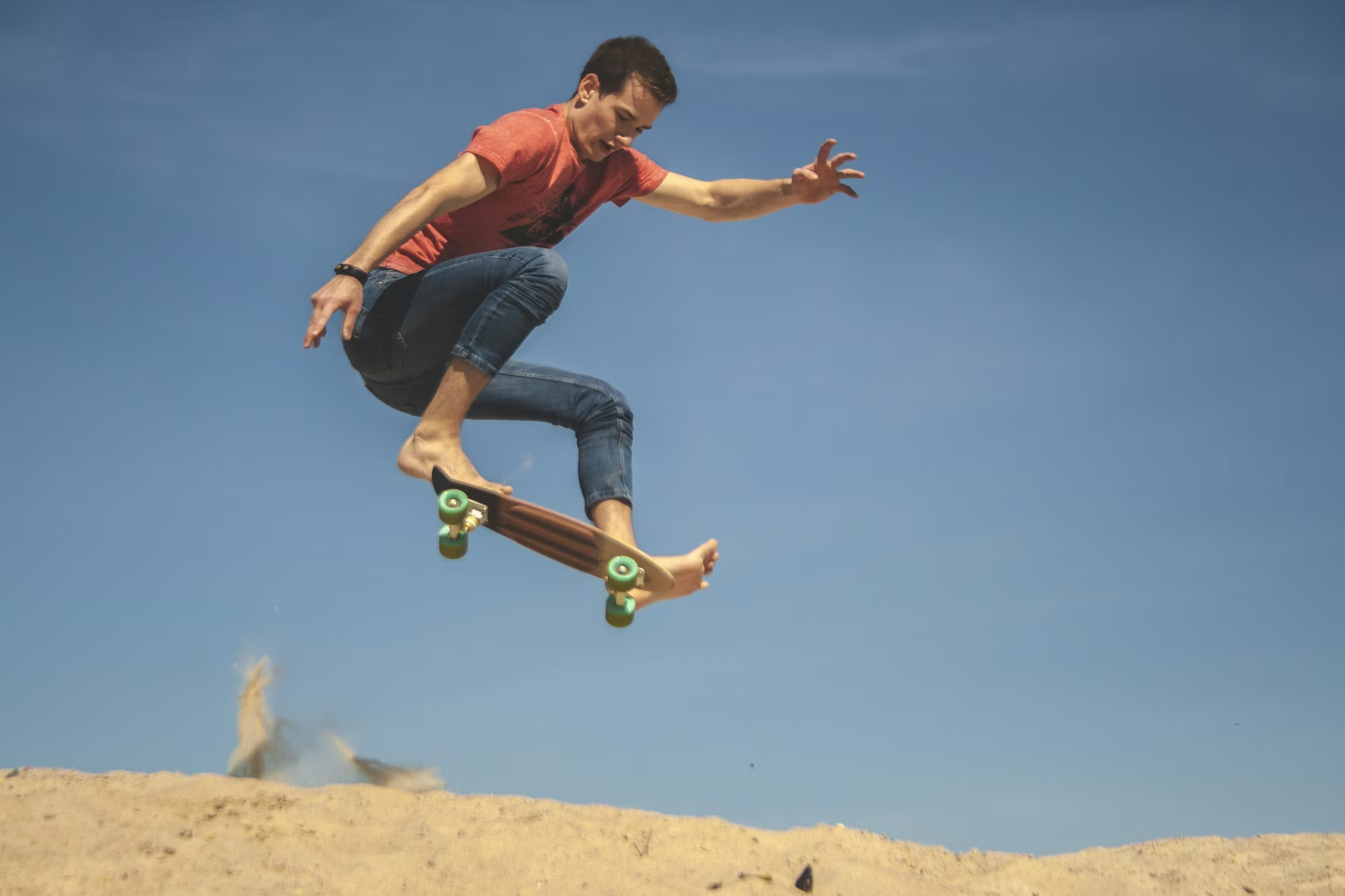
Skateboarding is more than just a sport; it’s an art form, a culture, and for many, a way of life. From its humble beginnings on the streets of California to becoming a globally recognized discipline, skateboarding has evolved into a dynamic and diverse sport that has captured the imagination of millions. Whether it’s the thrilling rush of downhill racing, the technical precision of street skating, or the creativity displayed in vert ramps, skateboarding offers something for everyone.

The Birth of Skateboarding: A California Dream

Skateboarding’s origins can be traced back to the early 1950s in California, when surfers, seeking a way to practice their moves on dry land, attached wheels to wooden boards. This early form of skateboarding, often referred to as ‘sidewalk surfing,’ mimicked the flow and rhythm of surfing but on the pavement. These early boards were simple wooden planks, often with metal wheels, and were mainly used for cruising and carving on smooth, flat surfaces.

In the mid-1960s, the popularity of skateboarding began to surge, thanks to the invention of the first urethane wheels, which replaced the metal ones. These new wheels provided better traction and a smoother ride, allowing skaters to perform more advanced tricks. Skateboarding soon took off in skateparks, with the first wave of skateboarders showing off their skills in competitions. This marked the beginning of skateboarding as a serious sport rather than just a pastime.

The Rise of Skateboarding Culture

As skateboarding grew, so did its culture. By the 1970s, skateboarding had become an integral part of youth culture, especially in California. The sport attracted rebellious teenagers who saw skateboarding as a form of self-expression and freedom. This period also saw the rise of the first professional skateboarders, who not only participated in competitions but also helped to shape the sport’s culture and style. Tony Hawk, Rodney Mullen, and Stacey Peralta were among the pioneers who helped bring skateboarding to the mainstream.

The 1980s witnessed a boom in skateboarding as it entered the commercial realm. Skate companies like Powell Peralta, Santa Cruz, and Zorlac emerged, creating boards and apparel that became iconic symbols of the sport. Skateboarding also made its way into the world of video games, with titles like ‘Skate or Die!’ and the ‘Tony Hawk’s Pro Skater’ series reaching millions of fans. By the end of the decade, skateboarding was not just a sport but a global phenomenon.

The Different Disciplines of Skateboarding

Skateboarding has evolved into various disciplines, each with its own unique techniques and challenges. These disciplines offer different ways for skaters to express themselves, whether on the street, in the park, or in the air. Let’s take a closer look at the most popular types of skateboarding.

1. Street Skating

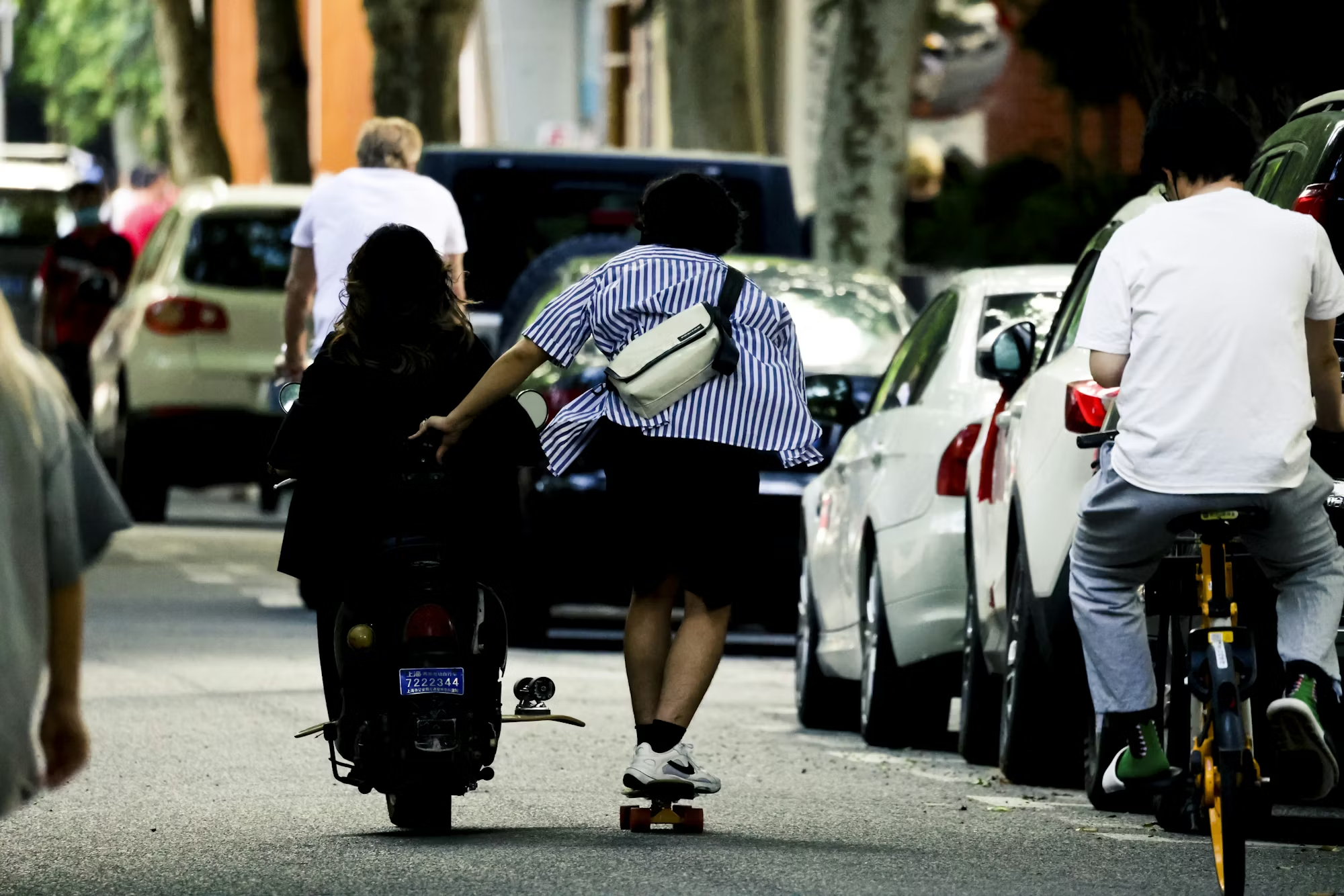
Street skating is perhaps the most widely recognized form of skateboarding. It involves using the urban environment, such as curbs, stairsets, handrails, and benches, as obstacles to perform tricks. Street skaters rely on technical skills, balance, and creativity to navigate their surroundings and land tricks in often unpredictable conditions.

The roots of street skating can be traced back to the 1980s, when skaters began to use public spaces as their playgrounds. Street skating has evolved over the years, with skaters now performing complex combinations of flip tricks, grinds, slides, and aerials. It requires precision and an intimate knowledge of the environment, as skaters must constantly adapt to new challenges presented by the streets.

Street skateboarding also represents the spirit of rebellion and independence, as it often takes place outside of the controlled environment of skateparks. It’s about pushing the limits of what can be done on everyday objects, turning the ordinary into the extraordinary.

2. Park Skating

Park skating takes place in skateparks, which are specifically designed for skateboarders to perform tricks and practice their skills. These parks feature ramps, bowls, half-pipes, and quarter-pipes, providing skaters with a more controlled environment than street skating. The goal of park skating is to perform a series of tricks in the bowl or on the ramp, with skaters working on flow, speed, and creativity.

Park skating gained popularity in the 1970s and became synonymous with vert skating, where skaters perform aerial tricks on large ramps. Today, park skating has evolved to include a mix of both street-style tricks and vert-style aerials. The International Skateboarding Federation (ISF) now hosts park skateboarding competitions worldwide, further elevating this discipline as a mainstay in competitive skateboarding.

3. Vert Skating

Vert skating is a specialized form of park skating that focuses on performing tricks in half-pipes or full bowls. The aim is to generate as much airtime as possible while executing complex aerial tricks such as flips, grabs, and spins. Vert skating is often seen in competitions like the X Games, where the world’s best vert skaters showcase their skills.

Vert skating requires precise control and an understanding of gravity and momentum. Skaters use the walls of the half-pipe to launch themselves into the air, reaching impressive heights before performing their tricks. This discipline has produced some of the sport’s most iconic figures, including Tony Hawk, who is best known for his groundbreaking 900-degree spin at the 1999 X Games.

4. Downhill Skateboarding

Downhill skateboarding involves riding at high speeds down a hill, often navigating sharp turns and varying terrain. Skaters in this discipline are looking for thrills and challenges, as the goal is to reach the bottom of the hill as fast as possible while maintaining control of the board. The sport requires a deep understanding of speed control, body positioning, and how to handle turns and obstacles.

Downhill skateboarding has gained traction in recent years, with riders competing in events that take place on both closed-off roads and public highways. Some riders take the sport to the extreme by attempting to break speed records, with downhill speeds reaching up to 70 miles per hour.

5. Longboarding

Longboarding is a subdiscipline of skateboarding that involves riding a longer, more stable board. The longer board allows for smoother rides and easier control, making it ideal for cruising and downhill rides. Longboarding has a different style and focus compared to traditional street or park skating, with an emphasis on fluidity and style.

Longboarders often use their boards to navigate hills, perform slides, and cruise along scenic routes. The sport has a laid-back vibe and is often associated with the growing trend of urban exploration and eco-friendly transportation. Longboarding is also an excellent way for beginners to get into skateboarding, as the larger boards provide more stability and comfort.

Skateboarding and Technology: A New Era

In recent years, technology has played a huge role in the evolution of skateboarding. Innovations in skateboards and accessories have made the sport more accessible, efficient, and enjoyable. For instance, electric skateboards have become increasingly popular, allowing riders to cruise at high speeds without having to push manually. These boards feature small motors powered by rechargeable batteries, providing an effortless way to navigate urban environments.

Similarly, skateboard design has evolved with new materials such as carbon fiber and bamboo being used to create lighter, stronger, and more flexible boards. Advances in wheel design, bearings, and trucks have also enhanced the performance of skateboards, making them more stable and responsive.

Beyond the boards themselves, technology has also changed how skaters interact with the sport. Mobile apps and online platforms now allow skaters to track their progress, find new spots to skate, and connect with other skaters around the world. Social media platforms like Instagram and YouTube have provided a global stage for skateboarders to showcase their talents, further fueling the growth of the skateboarding community.

The Future of Skateboarding

Skateboarding continues to grow in popularity and is now recognized as an Olympic sport, with its debut at the Tokyo 2020 Summer Games. This marks a new chapter in the sport’s history, as it moves from being a subculture to being part of the global sporting mainstream.

In the future, skateboarding will continue to evolve with the help of new technologies and innovations in board design, riding techniques, and training. The future of skateboarding is bright, and as the sport continues to develop, one thing is clear: skateboarding is here to stay.

Discovering the Secrets of Night Diving: An Underwater Adventure

Night diving offers a truly magical experience, transporting divers into an underwater world that comes alive after the sun sets. As daylight fades, nocturnal marine life emerges, revealing a different side of the ocean that many divers never experience. This article delves into the art of night diving, discussing the preparations needed, the unique challenges faced, and the extraordinary wonders that await beneath the waves.

Before embarking on a night dive, it’s crucial to have a solid foundation in diving skills. Night diving requires advanced buoyancy control, as visibility is often limited and the underwater environment can look vastly different than during the day. It’s advisable for divers to complete at least a few daytime dives in the same location to become familiar with the underwater topography and potential hazards. This prior knowledge can significantly enhance the night diving experience.

Proper preparation is key to a successful night dive. Divers should ensure they have reliable equipment, including a high-quality dive light. The dive light not only illuminates the surrounding area but also serves as a communication tool among dive buddies. Red filters can be attached to dive lights to preserve night vision while providing enough light to see the incredible marine life. Additionally, bringing backup lights and signaling devices is essential for safety.

One of the most unique aspects of night diving is the opportunity to observe nocturnal marine life in its natural habitat. Many species, such as octopuses, crabs, and various fish, are more active at night, providing divers with the chance to witness behaviors that are rarely seen during the day. For instance, many fish species that hide during the day come out to feed at night, and divers may even encounter bioluminescent organisms that light up the water with their natural glow.

Safety should always be a top priority during night diving. Divers should follow established protocols and maintain close communication with their dive buddy throughout the dive. Staying close together not only enhances safety but also allows for shared experiences, as divers can point out fascinating marine life to one another. It’s also important to have a clear plan for the dive, including entry and exit points, as well as a designated surface area for reuniting after the dive.

The thrill of night diving often lies in the unexpected. As divers descend into the dark water, they enter a realm that feels both alien and familiar. The darkness can be disorienting, but the beam of the dive light reveals a vibrant world teeming with life. It’s common for divers to be captivated by the sight of fish darting through the beams of light or the mesmerizing dance of bioluminescent plankton, creating a dreamlike atmosphere.

Many dive operators offer guided night dives, which can be particularly beneficial for those who are new to this type of diving. Experienced guides provide valuable insights into the local marine life, pointing out unique species and explaining their behaviors. These guided dives not only enhance safety but also enrich the overall experience, as divers gain knowledge and appreciation for the underwater ecosystem.

The emotional impact of night diving is profound. The transition from the familiar to the unknown can evoke feelings of excitement and wonder. As divers navigate through the darkness, they often find themselves more attuned to their surroundings, heightening their senses and deepening their connection to the ocean. This experience can lead to a greater appreciation for marine life and a desire to advocate for its protection.

In addition to the captivating marine life, night diving often reveals stunning underwater landscapes that can be overlooked during the day. The interplay of light and shadow creates dramatic visuals, transforming coral formations and underwater structures into captivating works of art. Experienced photographers often seek out night dives to capture the beauty of the ocean in a different light, creating breathtaking images that showcase the underwater world’s unique charm.

While the allure of night diving is undeniable, it’s essential to recognize that this activity requires a respectful approach to the marine environment. Divers should avoid disturbing marine life and refrain from touching or collecting anything from the ocean floor. Practicing responsible diving not only protects fragile ecosystems but also ensures that future generations can enjoy the wonders of night diving.

As divers become more experienced with night dives, they may want to explore more challenging locations, such as wrecks or caves, that offer a unique perspective of the underwater world. Night wreck diving, for instance, reveals the haunting beauty of submerged vessels illuminated by dive lights, creating an atmosphere that is both eerie and mesmerizing. Similarly, cave diving at night requires careful planning and specialized training, as divers navigate intricate passages in low visibility conditions.

Many divers find that the sense of camaraderie fostered during night dives is one of the highlights of the experience. Sharing the excitement of encountering unusual marine life and exploring the depths together strengthens bonds between dive buddies. These shared adventures often lead to lasting friendships, as divers recount their unforgettable experiences and inspire one another to continue exploring the underwater world.

For those considering night diving, it’s important to approach this exhilarating experience with the right mindset. Embrace the unknown, stay curious, and remember that each dive offers a new opportunity for discovery. Whether you’re witnessing a sleeping sea turtle, marveling at the bioluminescence of plankton, or navigating the silhouette of a coral reef, the memories created during night dives are sure to last a lifetime.

In conclusion, night diving is an enchanting adventure that offers a glimpse into the captivating world of marine life after dark. With proper preparation, a respect for safety, and a sense of wonder, divers can experience the thrill of exploring the ocean in a whole new light. As you embark on your night diving journey, cherish the unique opportunities it presents and take the time to appreciate the beauty and mystery of the underwater world that comes alive when the sun goes down.

Exploring the Thrills of Skateboarding: A Comprehensive Guide to Styles and Techniques

Skateboarding is not just a sport; it’s an exhilarating blend of art, culture, and lifestyle. It has evolved from its humble beginnings in California during the late 1940s to a global phenomenon that captures the hearts of millions. Today, skateboarding encompasses a wide range of styles and techniques, each offering unique challenges and rewards for enthusiasts. This article will explore the various forms of skateboarding, celebrating the creativity, skill, and community that define this dynamic activity.

The Origins of Skateboarding

Skateboarding emerged as surfers sought a way to practice their skills on land when the waves were flat. This innovative idea gave birth to the first skateboards, initially made from wooden boxes and roller skate wheels. As interest grew, so did the design and technology of skateboards, paving the way for new tricks and techniques. By the 1960s, the sport began to gain traction, with pioneers like Tony Hawk and Rodney Mullen pushing the boundaries of what was possible on a skateboard.

As skateboarding evolved, so did its culture. The 1970s saw the introduction of skate parks, where riders could hone their skills and explore new tricks in a controlled environment. This era laid the foundation for the diverse skateboarding community we see today, uniting individuals from all walks of life who share a passion for the sport.

Street Skateboarding: The Urban Jungle

Street skateboarding is perhaps the most recognizable form of the sport, characterized by the use of urban environments as playgrounds. Skaters navigate streets, sidewalks, stairs, benches, and handrails, transforming ordinary locations into stages for their creativity. This style emphasizes technical skill and ingenuity, as riders must learn to adapt to their surroundings and utilize obstacles in innovative ways.

The street skating community thrives on collaboration and support, where skaters gather to share tips, film tricks, and encourage each other. This camaraderie fosters a unique culture, where creativity is celebrated, and everyone is inspired to push their limits. Street skating not only showcases individual talent but also highlights the beauty of the urban landscape through the lens of skateboarding.

Vert Skateboarding: Reaching New Heights

Vert skating takes riders to new heights, literally and figuratively. This discipline focuses on riding in halfpipes or ramps, allowing skaters to launch into the air and perform impressive aerial tricks. Mastery of vert skating requires a combination of strength, agility, and precise timing, as skaters execute spins, flips, and grabs while soaring above the ramp.

Competitions like the X Games have catapulted vert skating into the spotlight, showcasing the incredible talents of athletes who defy gravity. The atmosphere at these events is electric, with participants cheering for one another and celebrating impressive performances. The spirit of competition in vert skating is not just about winning; it’s about pushing boundaries, challenging oneself, and inspiring others.

Bowl and Pool Skateboarding: The Flow of Motion

Bowl and pool skateboarding present a different experience, focusing on smooth transitions and fluid movements within large, bowl-shaped structures or empty swimming pools. Skaters harness the curves and walls of these environments to perform tricks, emphasizing rhythm and flow. Riding in a bowl is often described as a liberating experience, allowing skaters to connect deeply with their boards and surroundings.

The community of bowl skaters values creativity and artistic expression. Riders often develop unique styles, influenced by music, art, and personal experiences. This emphasis on individuality fosters an environment where innovation thrives, and skaters continuously explore new tricks and techniques. Bowl skating not only showcases athletic prowess but also reflects the artistic spirit that permeates the skateboarding culture.

Freestyle Skateboarding: Dance on Wheels

Freestyle skateboarding is a discipline that emphasizes technical tricks performed on flat surfaces. This style highlights balance, coordination, and creativity, allowing skaters to execute intricate footwork and maneuvers. Tricks such as the no-comply, finger flip, and shuvit showcase a skater’s flair and individuality, transforming the act of skating into a captivating performance.

Competitions dedicated to freestyle skating focus on both technical skill and artistic expression, celebrating the creativity of participants. Skaters often choreograph sequences that blend tricks with smooth movements, showcasing their unique styles. The freestyle community thrives on collaboration, with skaters exchanging tips and techniques, fostering a sense of camaraderie that enriches the experience for all.

Longboarding: The Joy of Cruising

Longboarding offers a different perspective on skating, emphasizing cruising and carving rather than performing tricks. Longboards are characterized by their longer decks and larger wheels, which provide a smooth ride ideal for leisurely cruising, commuting, and even downhill racing. Riders enjoy the freedom of gliding down hills, carving turns, and experiencing the thrill of speed without the need for tricks.

Downhill longboarding introduces an exhilarating aspect of the sport, as riders navigate steep hills at impressive velocities. Mastering this style requires skill and control, as skaters learn to manage their speed and navigate obstacles. The longboarding community is known for its supportive nature, where riders share tips and experiences to help each other improve. Whether cruising through city streets or exploring scenic routes, longboarding fosters a sense of community among riders who appreciate the journey as much as the destination.

Slalom Skateboarding: Precision on the Path

Slalom skateboarding focuses on navigating a course lined with cones or obstacles, demanding agility and precision. Skaters must hone their techniques to weave through the course efficiently, showcasing their ability to maintain speed while making sharp turns. This discipline emphasizes skill and concentration, allowing riders to demonstrate their control over the board while engaging in friendly competition.

The slalom community is characterized by collaboration and mutual respect, with skaters coming together to share strategies and experiences. The beauty of slalom skateboarding lies in its emphasis on movement and precision, with participants flowing through the course like a dance. This unique approach showcases the diversity of skateboarding and highlights the importance of skill in various forms of the sport.

The Cultural Impact of Skateboarding

Skateboarding transcends the realm of sport; it embodies a spirit of rebellion, creativity, and self-expression. The culture surrounding skateboarding encourages participants to embrace their individuality and challenge societal norms. Over the years, skateboarding has influenced various aspects of popular culture, including music, fashion, and art, becoming a symbol of youth empowerment and creativity.

The skateboarding community is marked by its inclusivity, welcoming individuals from diverse backgrounds. This sense of belonging fosters a unique culture that celebrates differences while promoting collaboration and mutual respect. Skaters share a deep appreciation for creativity, whether in the tricks they perform or the art they create, solidifying skateboarding as a powerful medium for self-expression.

The Future of Skateboarding

As skateboarding continues to grow in popularity, its future appears bright. Events like the Olympics have introduced skateboarding to new audiences, inspiring future generations to embrace the sport and explore their creativity. Innovations in technology, such as advancements in board design and safety equipment, enhance the skating experience for individuals of all skill levels.

The evolution of skateboarding encourages newcomers to join the community and contribute to its vibrant culture. Each style offers opportunities for self-discovery and connection, inviting individuals to express themselves and forge lasting friendships. The journey of skateboarding is one of continuous exploration, celebrating the joy of riding, the thrill of mastering new tricks, and the bonds formed along the way.

In conclusion, skateboarding is a multifaceted sport that encompasses various styles and disciplines, each offering unique challenges and rewards. Whether drawn to the creativity of street skating, the high-flying excitement of vert, or the smooth cruising of longboarding, there is a place for everyone in this vibrant culture. Embracing the diversity of skateboarding allows individuals to explore their passion while connecting with a global community that celebrates freedom, creativity, and self-expression. The essence of skateboarding lies in the joy of riding and the friendships formed along the way.

Casting Lines: A Comprehensive Guide to Fishing Techniques

Fishing has long been a cherished pastime, providing relaxation and excitement in equal measure. With a plethora of techniques available, each tailored to specific environments and target species, anglers can find the perfect method to suit their preferences. This article will explore some of the most popular fishing techniques, highlighting their unique features and offering practical advice for enthusiasts.

The Art of Fishing Techniques

Fishing is an intricate art that combines knowledge, skill, and patience. Understanding different techniques allows anglers to optimize their experiences and increase their chances of success. From the classic approach of angling to the more specialized methods like fly fishing, each technique has its distinct advantages and charm.

Angling: A Time-Honored Tradition

Angling is the foundational technique of fishing, encompassing various methods using a rod, reel, and bait to catch fish. This versatile approach can be adapted to both freshwater and saltwater fishing, making it accessible to anglers of all skill levels.

Spinning

Spinning is a widely embraced form of angling that involves casting lures or live bait using a spinning rod and reel. This technique is particularly user-friendly, making it ideal for beginners while still offering enough complexity to satisfy seasoned anglers. Spinning can be effective for targeting a range of species, including bass, trout, and walleye.

The success of spinning largely depends on the angler’s ability to choose the right lure. Various colors, sizes, and shapes can entice different fish species, and experimenting with different retrieval techniques—such as steady retrieves or erratic jerks—can make all the difference in attracting a bite.

Fly Fishing

Fly fishing is a specialized angling technique that employs a lightweight rod, reel, and artificial flies designed to imitate insects or small fish. This method is celebrated for its artistry and precision, requiring anglers to master the nuances of casting and presentation.

A hallmark of fly fishing is the concept of “matching the hatch,” where anglers select flies that closely resemble the insects currently active in the water. This technique often takes place in serene environments, providing a peaceful escape from the hustle and bustle of daily life. The challenge of enticing fish with nothing more than a feathered hook adds an exhilarating element to this method.

Net Fishing: Efficiency and Community

Net fishing is a method that allows anglers to capture multiple fish simultaneously, making it an efficient option for both commercial and recreational purposes. This technique includes several approaches that are often used in tandem to maximize catches.

Casting Nets

Casting nets are circular nets that anglers throw by hand to encircle fish. This method is particularly effective for catching smaller species, such as shad and mullet. The casting process requires practice to ensure the net opens properly upon hitting the water, allowing it to sink and trap fish effectively.

Anglers can enjoy a sense of accomplishment with each successful cast, as retrieving a net filled with fish can be an exhilarating experience. This method fosters a direct connection with the water and the surrounding environment, making it a favorite among many shore anglers.

Seine Nets

Seine nets are larger nets that require multiple anglers to operate effectively. By dragging the net through the water, fishermen can surround schools of fish, making this method particularly effective for species that travel in groups, such as sardines or herring. Working as a team not only enhances efficiency but also creates a sense of camaraderie among participants.

Traps and Pots

Fish traps and pots represent a more passive approach to fishing. These devices allow fish and crustaceans to enter but prevent them from escaping. Crab pots and lobster traps, for instance, utilize bait to lure crustaceans into their chambers. This hands-off technique provides an excellent way to gather fish while allowing anglers to engage in other activities.

Trawling: Commercial Techniques

Trawling is a fishing method primarily associated with commercial operations, involving the dragging of large nets through the water to capture a variety of marine species. While effective, this technique also raises discussions about sustainability and environmental impact, prompting many anglers to seek more eco-friendly practices.

Bottom Trawling

Bottom trawling involves dragging a net along the seafloor, targeting species like shrimp and flounder. While this method can yield substantial catches, it has faced criticism for its potential to damage ocean habitats and unintentionally capture non-target species. Awareness of these impacts has led to increased regulation and calls for more responsible fishing practices within the industry.

Midwater Trawling

Midwater trawling, on the other hand, targets pelagic fish by dragging nets through the upper layers of the water. This technique can be more selective than bottom trawling, allowing for better management of fish populations and reduced bycatch. It is commonly used for species such as mackerel and sardines, playing a vital role in both commercial and recreational fishing.

Spearfishing: An Immersive Experience

Spearfishing offers a unique and hands-on approach to fishing. This method involves hunting fish underwater using a spear gun or pole spear, requiring not only skill but also a deep understanding of marine environments.

Free Diving

Free diving is a technique where anglers hold their breath while hunting fish, relying on instincts and knowledge of the underwater ecosystem. This method fosters a direct connection with nature and allows for a more intimate fishing experience. Free divers must remain calm and composed, making it a true test of skill and patience.

Scuba Diving

For those seeking to explore deeper waters, scuba diving opens up new possibilities for spearfishing. This method allows anglers to use breathing apparatus to access various underwater environments. While requiring additional training and equipment, scuba diving enhances the fishing experience by offering access to diverse marine landscapes.

Ice Fishing: A Winter Wonderland

Ice fishing is a unique winter activity that transforms frozen lakes and ponds into bustling fishing spots. Anglers drill holes in the ice and use specialized equipment to catch fish in chilly conditions. This technique is particularly popular in regions with harsh winters, allowing anglers to continue their passion even when traditional methods are not viable.

Ice fishing fosters a sense of community, as friends and families gather to share stories and tips while waiting for a bite. The thrill of catching fish beneath a layer of ice adds an exciting twist to the fishing experience, making it a favorite pastime during the colder months.

Handline Fishing and Jigging: Simplicity and Versatility

Handline fishing is a straightforward method that involves using a single fishing line held in the hand. This technique can be employed from both shore and boat and is effective for various species. The simplicity of handline fishing makes it accessible for beginners while still providing a rewarding experience.

Jigging

Jigging employs a jig—a type of fishing lure that mimics the movement of prey. By jerking the jig up and down, anglers can attract fish effectively. This technique can be used in freshwater and saltwater settings and is popular for targeting species like bass and pike.

Trolling: The Dynamic Pursuit

Trolling involves dragging bait or lures behind a moving boat, allowing anglers to cover large areas of water. This technique is often employed for larger species such as tuna and salmon, making it an exciting option for those seeking a more dynamic fishing experience. By adjusting the depth and distance of multiple lines, anglers can entice fish and increase their chances of success.

Noodling: An Unconventional Technique

Noodling is a unique method that involves capturing fish by hand in shallow waters, especially catfish. Anglers rely on their instincts to feel for fish in their hiding spots, creating an exhilarating challenge that distinguishes this technique from traditional methods. Noodling requires knowledge of fish behavior and habitats, making it a test of skill and patience.

Conclusion: Embracing the Fishing Experience

The diverse array of fishing techniques offers something for everyone, whether you are a novice angler or a seasoned pro. Each method provides unique experiences and challenges, enhancing the connection between anglers and their environment. Ultimately, fishing is not just about the catch; it’s about the journey, the tranquility of nature, and the memories created along the way. Regardless of the technique, the joy of fishing remains a cherished pastime that continues to inspire a love for the great outdoors.

Cycling Through the Seasons: Embracing Year-Round Adventures

Cycling is a versatile activity that can be enjoyed year-round, allowing enthusiasts to experience the beauty of nature in every season. Each time of year presents unique opportunities and challenges, transforming the landscape and the cycling experience. This article delves into how to embrace cycling through the seasons, offering tips and insights for making the most of every ride, no matter the weather.

Spring: A Fresh Start

As winter fades, spring breathes new life into the world, making it an ideal time for cycling. The mild temperatures and blooming flowers create a picturesque backdrop for rides. During this season, cyclists can enjoy the crisp air and the awakening of nature. Spring also offers an opportunity for many cyclists to shake off the winter cobwebs, revamping their fitness routines after months of indoor activity.

Spring cycling often involves adjusting your gear to accommodate changing weather. Layering becomes essential, allowing for adaptability as temperatures fluctuate throughout the day. Investing in a good quality rain jacket can also help, as spring showers are common. Additionally, spring is an excellent time for bike maintenance, ensuring that your bicycle is in top shape for the rides ahead.

Summer: Embrace the Sunshine

Summer is the peak season for cycling, with long days and warm weather inviting riders to explore new routes and destinations. Whether it’s a leisurely ride along the beach or an ambitious mountain trail, summer offers endless possibilities. This season is also popular for cycling events, races, and group rides, fostering a strong sense of community among cyclists.

However, summer cycling requires careful planning to stay safe in the heat. Early morning or late evening rides can help avoid the hottest parts of the day. Staying hydrated is crucial, so carrying water bottles and taking breaks in shaded areas are wise practices. Additionally, wearing sunscreen and lightweight, breathable clothing will enhance comfort during those sunny rides.

Autumn: A Tapestry of Colors

As summer transitions to autumn, cyclists are treated to a spectacular display of colors. The changing leaves create stunning vistas, making rides through parks and rural areas particularly enjoyable. Autumn brings cooler temperatures, making it a comfortable time for long rides without the sweltering heat of summer.

Cyclists should prepare for the seasonal changes by adjusting their gear. It’s a great time to invest in windbreakers and thermal layers, especially for morning rides. The weather can be unpredictable, so checking forecasts and being ready for sudden changes is essential. Autumn also marks the beginning of many cycling events and charity rides, providing opportunities to connect with other enthusiasts and give back to the community.

Winter: Embracing the Chill

While winter might seem like an off-season for cycling, it can be a rewarding time for those willing to brave the cold. Winter cycling offers a unique experience, with quiet streets and peaceful landscapes. Riding in winter requires some adjustments, particularly in terms of clothing and bike preparation.

Investing in quality winter gear is key to staying warm and comfortable. Thermal layers, waterproof gloves, and insulated shoes can make a significant difference in your riding experience. Additionally, equipping your bike with winter tires can enhance grip on slippery surfaces. Some cyclists find joy in snow biking, using specialized bikes designed for winter conditions, making it an adventurous way to enjoy the season.

Winter also offers opportunities for indoor cycling. Spin classes and trainer setups can keep fitness levels high during colder months, providing a social outlet and a chance to maintain cycling skills. Many communities host indoor cycling events, combining fitness with fun and camaraderie.

The Benefits of Year-Round Cycling

Cycling throughout the year brings numerous benefits, both physical and mental. Regular cycling enhances cardiovascular health, strengthens muscles, and improves overall fitness. Year-round cyclists often experience increased energy levels and better mental health, as exercise releases endorphins that boost mood and reduce stress.

Moreover, cycling in different seasons encourages versatility in skills. Riders develop adaptability, learning to navigate various terrains and conditions, which ultimately enhances their cycling prowess. The seasonal variety also keeps the experience fresh and exciting, preventing boredom and fostering a deeper appreciation for the sport.

Community and Connection

One of the most rewarding aspects of cycling year-round is the sense of community it fosters. Whether participating in local group rides, charity events, or competitions, cyclists often form lasting friendships. Engaging with fellow enthusiasts can provide motivation, support, and inspiration, enriching the cycling experience.

Joining a cycling club or participating in community events allows cyclists to connect with others who share their passion. Many clubs organize seasonal activities, such as fall foliage rides or summer picnics, creating opportunities for socializing and building a sense of belonging within the cycling community.

Conclusion

Cycling is a year-round adventure that allows individuals to embrace the beauty and challenges of each season. From the refreshing rides of spring to the colorful landscapes of autumn, every time of year offers unique experiences that enhance the joy of cycling. By adjusting gear, planning routes, and connecting with the community, cyclists can make the most of their rides, no matter the weather. So, grab your bike and explore the wonders of cycling through the seasons; the road awaits you!

Exploring the World of Snowboarding Styles: Find Your Fit

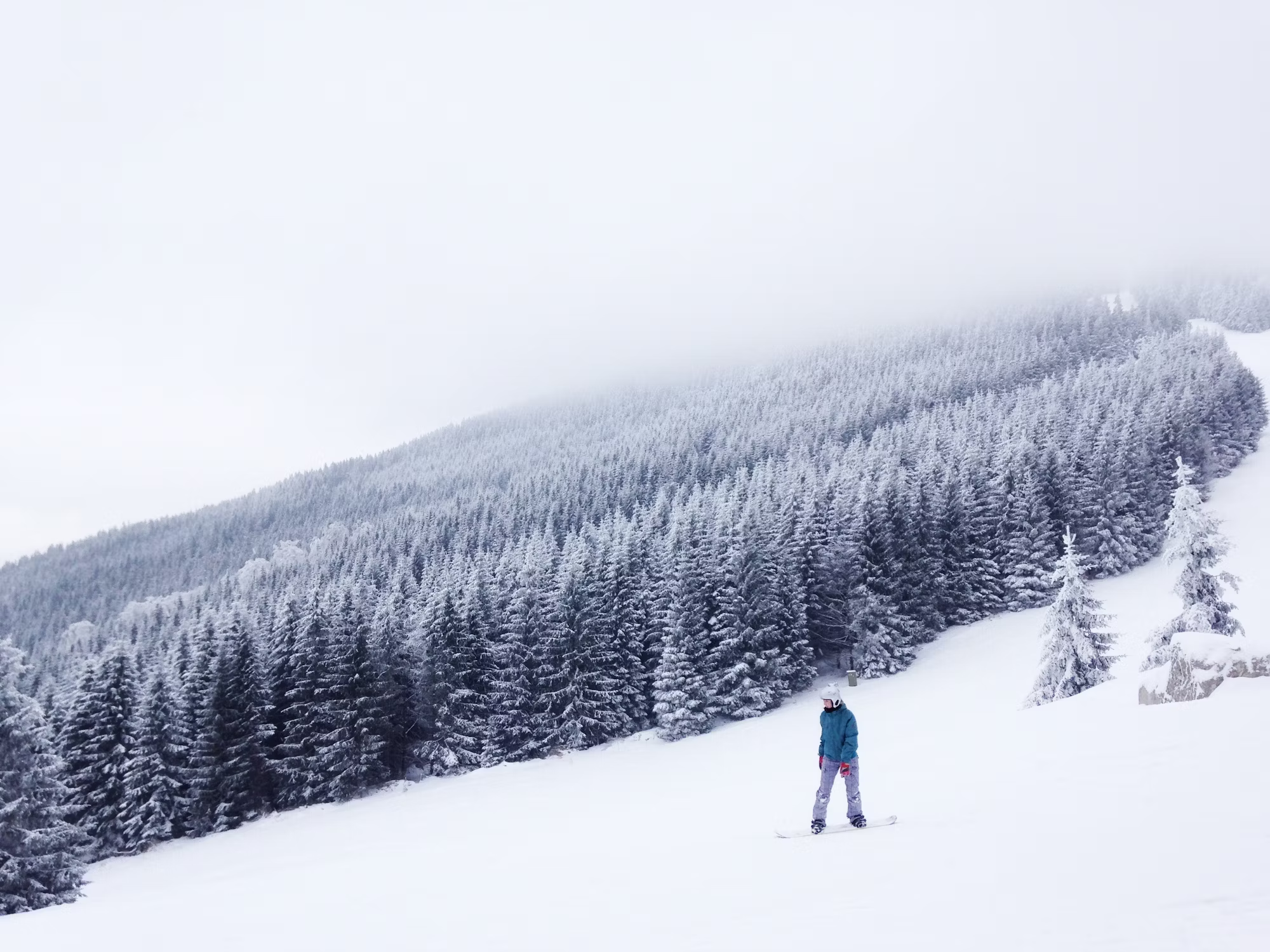
Snowboarding is a dynamic and diverse sport, offering a range of styles and disciplines to suit every rider’s preferences and abilities. Understanding the various types of snowboarding can help you choose the right path for your snowboarding journey. This article explores the main snowboarding styles, from freestyle to backcountry, allowing you to find your fit and enjoy the slopes to the fullest.\n\n Freestyle Snowboarding: Creativity and Expression\n\nFreestyle snowboarding is all about creativity, style, and performing tricks. This style primarily takes place in terrain parks, which are designed with features like rails, boxes, jumps, and halfpipes. Freestyle riders focus on executing tricks and maneuvers that showcase their individual flair.\n\n Terrain Park Riding\n\nIn terrain parks, snowboarders can experiment with various features, honing their skills while having fun. Starting with smaller jumps and boxes is a good idea for beginners, allowing them to build confidence and learn how to land safely. As you progress, you can tackle more complex features, exploring different combinations and developing your unique style.\n\n Halfpipe Riding\n\nHalfpipe riding is another aspect of freestyle snowboarding, where riders navigate a U-shaped snow structure, performing aerial tricks as they ride back and forth on its walls. This discipline requires a combination of technique, timing, and creativity, making it a thrilling way to express yourself on the slopes. Practicing in the halfpipe can enhance your overall riding skills and boost your confidence.\n\n Freeride/All-Mountain Snowboarding: Versatility on the Slopes\n\nFor those who enjoy a bit of everything, all-mountain snowboarding offers the best of both worlds. This style allows riders to explore various terrains, from groomed trails to moguls, trees, and off-piste areas.\n\n All-Mountain Riding\n\nAll-mountain riding focuses on versatility, enabling snowboarders to adapt to different conditions. Riders can enjoy cruising down groomed runs one moment and navigating through powder or trees the next. This style is perfect for those who want to experience the mountain in its entirety, making it ideal for intermediate and advanced riders looking to expand their skills.\n\n Backcountry Riding: The Call of the Wild\n\nFor the adventurous spirit, backcountry riding presents an exhilarating challenge. This discipline involves exploring ungroomed and unmarked areas of the mountain, often requiring hiking or using snowmobiles to access fresh powder.\n\n Safety First\n\nWhile backcountry riding can be incredibly rewarding, it also comes with risks. It’s essential to prioritize safety by familiarizing yourself with avalanche awareness and investing in safety gear, such as beacons, probes, and shovels. Consider taking an avalanche safety course to learn how to assess snow conditions and navigate backcountry terrain responsibly.\n\n Freeride Snowboarding: Embracing the Elements\n\nFreeride snowboarding is focused on riding steep and challenging terrain, often in backcountry or off-piste areas. This style is perfect for those who seek the thrill of deep powder, cliffs, and natural terrain features.\n\n Big Mountain Riding\n\nBig mountain or extreme riding involves tackling rugged terrains and challenging conditions. Riders must possess advanced skills, including strong carving techniques and the ability to read the terrain. This discipline rewards those who enjoy pushing their limits and experiencing the untamed beauty of the mountain.\n\n Alpine/Race Snowboarding: Precision and Speed\n\nFor those who crave speed and competition, alpine racing provides an adrenaline rush like no other. This discipline involves high-speed downhill racing on specially designed courses featuring gates and turns.\n\n Boardercross/Snowboard Cross\n\nBoardercross combines elements of snowboard racing and motocross, featuring multiple riders racing down a course filled with jumps, berms, and obstacles. This competitive style emphasizes strategy, speed, and skill as riders navigate the course and compete against one another. Boardercross can be a thrilling way to challenge yourself and enjoy the camaraderie of racing.\n\n Splitboarding: Exploring Beyond the Resort\n\nSplitboarding is an exciting option for those looking to venture into the backcountry. This style involves using a specialized snowboard that can split into two skis for uphill climbing, similar to traditional skiing. Once at the desired elevation, the board is reassembled for downhill riding.\n\n Touring Techniques\n\nSplitboarders often explore remote areas beyond resort boundaries, accessing untouched powder and breathtaking vistas. Learning proper touring techniques, such as skinning and traversing, is essential for maximizing your experience. Splitboarding offers a unique way to connect with nature and enjoy the serenity of the mountains. \n\n Adaptive Snowboarding: Inclusivity on the Slopes\n\nAdaptive snowboarding is an inspiring discipline tailored for individuals with disabilities. It involves specialized techniques and equipment modifications that allow riders of all abilities to enjoy the thrill of snowboarding.\n\n Equipment and Techniques\n\nAdaptive riders may use sit-skis, outriggers, or other assistive devices to enhance their experience on the slopes. Programs and organizations dedicated to adaptive sports provide invaluable support and opportunities for individuals to learn and develop their skills in a welcoming environment.\n\n Conclusion: Finding Your Snowboarding Style\n\nWith so many snowboarding styles to explore, finding the one that resonates with you is an exciting journey. Whether you prefer the creative expression of freestyle riding, the versatility of all-mountain snowboarding, or the adventure of backcountry exploration, there’s a place for you on the slopes. Embrace the thrill of snowboarding, continually refine your skills, and enjoy the incredible experiences that await you in the mountains. Remember, the ultimate goal is to have fun and connect with the snow-covered landscape, no matter which style you choose to pursue.

Exploring Snowboard Culture: Community, Events, and Lifestyle

Snowboarding is more than just a sport; it’s a lifestyle that fosters community, creativity, and a love for the mountains. From the adrenaline rush of carving down a slope to the camaraderie shared among riders, the culture surrounding snowboarding is rich and vibrant. This article explores the various facets of snowboard culture, including the sense of community, significant events, and the lifestyle that many riders embrace.

The Snowboard Community

At the heart of snowboard culture is the community of riders who share a passion for the sport. This community transcends age, skill level, and geographical boundaries, creating a global network of snowboard enthusiasts. Whether you’re a beginner hitting the slopes for the first time or an expert tackling backcountry terrain, there’s a sense of belonging that comes from being part of this diverse group.

1. Local Communities: Many ski resorts and snow parks have vibrant local snowboard communities. These groups often organize meetups, group rides, and social events, fostering connections among riders. Joining a local snowboarding club can provide a platform for sharing tips, improving skills, and making new friends who share the same passion.

2. Online Communities: The digital age has transformed how snowboarders connect. Online forums, social media groups, and dedicated snowboarding websites allow riders to share experiences, ask for advice, and showcase their skills. Platforms like Instagram and YouTube have become popular for riders to share videos and photos, inspiring others and documenting their journeys on the slopes.

3. Mentorship and Support: The snowboard community is known for its supportive nature. Experienced riders often take the time to mentor beginners, sharing tips and encouraging them to push their limits. This culture of support helps new riders feel welcomed and motivates them to improve their skills.

Snowboard Events and Competitions

Snowboarding events and competitions play a significant role in the culture, showcasing talent and bringing the community together. These events range from local competitions to international championships, creating opportunities for riders to demonstrate their skills and celebrate their passion.

1. Local Competitions: Many resorts host local snowboard competitions that cater to various skill levels. These events often include categories for freestyle, slopestyle, and big air, allowing riders to showcase their abilities in a friendly environment. Local competitions are a great way to meet other riders and gain experience in a competitive setting.

2. National and International Events: Larger competitions, such as the X Games and the Winter Dew Tour, attract top riders from around the world. These events are not only exciting to watch but also serve as a platform for up-and-coming athletes to gain recognition. The atmosphere at these competitions is electric, with fans cheering for their favorite riders and celebrating the spirit of snowboarding.

3. Snowboard Festivals: In addition to competitions, many resorts host snowboarding festivals that combine riding with music, art, and culture. These events often feature live performances, art installations, and workshops, creating a unique experience for attendees. Festivals are a celebration of the snowboard lifestyle, drawing riders and non-riders alike to enjoy the vibrant atmosphere.

The Snowboard Lifestyle

The lifestyle surrounding snowboarding extends beyond the slopes. It encompasses a mindset, fashion, and a general love for adventure and the outdoors. Here are some key elements of the snowboard lifestyle:

1. Fashion and Gear: Snowboarding fashion is an integral part of the culture, reflecting the individuality of each rider. Bright colors, unique patterns, and comfortable gear are hallmarks of snowboard style. Many riders take pride in expressing themselves through their clothing and accessories, with brands often collaborating with artists to create limited-edition gear.

2. Adventure and Exploration: Snowboarding is intrinsically linked to a sense of adventure. Many riders seek out new mountains, backcountry trails, and hidden gems, embracing the thrill of exploration. This spirit of adventure often extends beyond snowboarding, with riders participating in other outdoor activities like hiking, camping, and rock climbing.

3. Environmental Awareness: The snowboarding community has a growing awareness of environmental issues. Many riders advocate for sustainable practices, from eco-friendly gear to responsible mountain stewardship. Organizations and events focused on environmental conservation are increasingly popular, promoting a culture of respect for the mountains and the planet.

4. Creating Memories: Snowboarding is often about creating lasting memories with friends and family. Whether it’s a weekend getaway to a nearby resort or an epic road trip to a famous snowboarding destination, the experiences shared on the slopes can forge deep bonds. Many riders cherish the stories and friendships formed through their love of snowboarding.

The Future of Snowboard Culture

As snowboarding continues to evolve, so does its culture. New trends, technologies, and styles emerge regularly, shaping the community’s future. Here are some aspects to consider as we look ahead:

1. Inclusivity and Diversity: The snowboarding community is becoming increasingly inclusive, welcoming riders of all backgrounds, abilities, and identities. Initiatives aimed at promoting diversity within the sport are gaining momentum, ensuring that everyone has the opportunity to participate and thrive.

2. Technological Advancements: Advances in technology are influencing snowboarding gear and safety. From improved board designs to innovative safety equipment, the future of snowboarding is promising. Riders can expect to see continued enhancements in gear that enhance performance and safety on the slopes.

3. Growing Popularity: As snowboarding gains popularity globally, more people are discovering the joy of riding. This growth brings new participants into the community, enriching the culture and fostering fresh perspectives and ideas.

Conclusion

Snowboarding is a multifaceted sport that goes beyond the thrill of riding down a slope. It is a culture that celebrates community, creativity, and adventure. Whether you are a seasoned rider or just starting your journey, embracing the snowboard lifestyle offers endless opportunities for connection and growth. From participating in local competitions to exploring new terrains, the world of snowboarding is vibrant and inviting. So grab your board, connect with fellow riders, and dive into the exhilarating culture that is snowboarding.

Exploring the Art of Bowl Skateboarding: Techniques, Culture, and the Thrill of Carving

Bowl skateboarding is an exhilarating discipline that takes the thrill of skateboarding to new heights by utilizing the unique design of bowl-shaped structures. These spaces, whether found in skate parks or abandoned swimming pools, offer skaters the opportunity to carve, ride the walls, and perform tricks that showcase both skill and creativity. The beauty of bowl skateboarding lies not just in the tricks performed, but in the rhythm and flow that riders achieve as they navigate the curves and transitions of the bowl. At its core, bowl skateboarding requires a solid understanding of technique and body mechanics. Riders must learn to utilize their weight effectively, shifting their center of gravity to maintain balance while carving through the bowl. Carving, which involves smoothly transitioning from one side of the bowl to the other, is fundamental to mastering this discipline. A skater achieves this by bending their knees, leaning into the turn, and using their upper body to guide the board through the curves. This fluid motion creates an exhilarating experience, akin to surfing on land, and allows riders to generate speed and momentum as they flow through the bowl. The techniques employed in bowl skateboarding extend beyond simple carving. As skaters become more comfortable with the transitions, they can begin to explore tricks that incorporate aerial elements. One of the most popular tricks in bowl skating is the air, where a rider launches off the coping—the edge of the bowl—into the air. To execute an air, skaters need to time their upward push with the curve of the bowl, allowing them to propel themselves upward while maintaining control. Tricks like the method grab, where the skater grabs the board with one hand while in the air, add a layer of style to their performance and are often used to express individuality. As riders gain experience, they may attempt more complex maneuvers such as the grab air or the indy grab. The indy grab involves grabbing the board with the rear hand while in the air, showcasing not only skill but also a flair for creativity. The art of bowl skateboarding is as much about personal expression as it is about technical prowess. Each skater brings their unique style to the bowl, influenced by their background, preferences, and the culture surrounding the sport. The camaraderie among skaters fosters an environment where creativity can thrive, with riders often encouraging one another to try new tricks or experiment with different styles. Bowl skateboarding has a rich history that is deeply embedded in skate culture. It emerged in the 1970s when skaters began to convert empty swimming pools into makeshift skate parks, allowing them to ride the walls and experience the thrill of vertical skating. This innovative approach laid the groundwork for the modern bowl designs seen in skate parks today. As the sport evolved, so did the creativity of skaters, leading to the development of unique tricks and styles that continue to define bowl skating. The culture surrounding bowl skateboarding is characterized by a strong sense of community. Skate parks often serve as gathering places where skaters of all ages and skill levels come together to share their passion. The inclusive nature of bowl skating creates a welcoming atmosphere, encouraging newcomers to learn from more experienced riders and fostering friendships that transcend age and background. This sense of belonging is integral to the skateboarding experience, making it more than just a sport but a lifestyle and culture. The connection between bowl skating and music is also notable. Many skaters draw inspiration from various musical genres, including punk rock, hip-hop, and electronic music, creating an energetic environment that enhances the overall experience. Skate videos often feature curated soundtracks that amplify the excitement of the tricks being performed, further intertwining the worlds of music and skateboarding. Additionally, the visual aesthetic of bowl skating, with its vibrant graffiti and artistic designs, reflects the creative spirit of the sport. As bowl skateboarding gains popularity, it continues to evolve, influencing and being influenced by the broader skate culture. Major competitions showcase elite bowl skaters, bringing attention to the discipline and inspiring future generations. Events such as the Vans Pool Party highlight the incredible talent within the bowl skating community and celebrate the artistry involved in riding. These competitions not only elevate the status of bowl skateboarding but also reinforce the values of creativity, expression, and camaraderie that define the sport. In conclusion, bowl skateboarding is a dynamic and expressive discipline that combines technique, culture, and community. From mastering carving and aerial tricks to embracing individuality and creativity, bowl skaters continually push their limits while fostering a sense of belonging. As bowl skateboarding continues to thrive, it serves as a testament to the joy of movement, the thrill of carving through the curves, and the power of community within the skateboarding world.

Golf Etiquette: The Unwritten Rules of the Game

Golf is a sport steeped in tradition, where the rules of etiquette play a crucial role in maintaining the integrity and enjoyment of the game. While the mechanics of swinging a club and sinking putts are vital, understanding the unwritten rules of behavior can enhance both personal experience and that of fellow players. Whether you’re a newcomer to the sport or a seasoned golfer, adhering to golf etiquette is essential for fostering a respectful and enjoyable environment on the course. Respect for the Course: The Foundation of Etiquette One of the most fundamental aspects of golf etiquette is respect for the course itself. Golf courses are carefully maintained, and it is the responsibility of every golfer to help preserve their condition. Repairing divots, smoothing out bunkers, and fixing ball marks on the greens are essential practices that contribute to the overall quality of the course. When making a divot with your swing, always take the time to replace the turf or fill the hole with sand. After playing from a bunker, use a rake to smooth out the sand for the next player. These simple acts demonstrate respect for both the course and fellow golfers. Additionally, staying on the designated paths and avoiding driving carts on sensitive areas can help maintain the course’s integrity. Pace of Play: Keeping Things Moving Golf is a game of patience, but that doesn’t mean it should drag on excessively. Maintaining a reasonable pace of play is vital to ensure that all players on the course can enjoy their rounds. Generally, groups should aim to complete their rounds in about four hours. If you’re playing with a group, be mindful of how long each player takes to hit their shots. Consider playing ready golf, where players take their shots in a timely manner rather than strictly adhering to turn order. If you’re playing behind a slower group, it’s polite to allow faster players to play through, ensuring everyone can enjoy their time on the course. Keeping your own game moving, such as being prepared for your turn and limiting practice swings, can contribute significantly to maintaining pace. Silence and Concentration: Creating a Focused Environment Golf is as much a mental game as it is a physical one. Creating an environment conducive to concentration is crucial for players looking to perform their best. When someone is about to take a shot, it’s important to remain quiet and still, avoiding unnecessary distractions. This includes not only vocal sounds but also movements that may catch a player’s attention. If you are not on the tee or green, be considerate and position yourself away from the line of sight of the player taking their shot. On the greens, remaining silent while a fellow golfer is putting is particularly important, as concentration is key to making those crucial strokes. Handling Lost Balls: Maintaining Fairness While playing golf, losing a ball is sometimes inevitable. However, how you handle this situation reflects your understanding of etiquette. When you believe your ball is lost, it is essential to notify fellow players and search for a reasonable amount of time—typically around five minutes. If the ball is not found, it’s courteous to inform your playing partners before proceeding to the next shot. When dropping a ball, make sure to do so in the appropriate location according to the rules of golf. Maintaining fairness and transparency during this process ensures that everyone remains on the same page. Interactions with Other Golfers: Building Community Golf is a social sport, and fostering positive interactions with fellow players can enhance everyone’s experience. Whether you’re playing in a group or encountering others on the course, being friendly and polite goes a long way. A simple greeting or acknowledging another player’s good shot can build camaraderie among golfers. Additionally, if you’re playing with others, ensure that you’re aware of their skill levels and adjust your pace and expectations accordingly. Respecting the social dynamics of the game can create a more enjoyable atmosphere for everyone involved. Dress Code: Dressing for Success While golf is increasingly becoming more casual, many courses still enforce specific dress codes. Dressing appropriately not only shows respect for the course but also enhances the overall experience. Collared shirts, tailored shorts or slacks, and golf shoes are standard attire on many courses. Avoid wearing denim or overly casual clothing, as this may be frowned upon. If you’re unsure about the dress code, it’s always best to check with the course before your visit. Adhering to the dress code demonstrates respect for the traditions of the game and helps create a unified look among players. Using Mobile Devices: Navigating Technology in Golf In today’s world, mobile devices are ubiquitous, but their use on the golf course requires special consideration. While smartphones can be helpful for keeping score or tracking progress, it’s essential to use them responsibly. Keep your phone on silent or vibrate mode to avoid disturbing other players. When taking calls or texting, step away from the fairway or green to minimize distractions. Being mindful of how and when you use your mobile device can contribute to a more respectful atmosphere on the course. Caring for Your Playing Partners: Show Consideration When playing with others, it’s important to care for your fellow golfers’ experience. This includes being supportive and encouraging, particularly when they face challenges on the course. Offer assistance when needed, such as providing advice on a shot or helping to locate a lost ball. Recognizing the efforts of your playing partners, celebrating their successes, and maintaining a positive attitude can foster a sense of community on the course. Being considerate also involves understanding when to keep comments to yourself, particularly if a player is struggling. A supportive and respectful environment enhances the enjoyment of the game for everyone involved. Conclusion: Embracing Golf Etiquette Golf etiquette is an essential aspect of the game that enriches the experience for all participants. By showing respect for the course, maintaining a reasonable pace of play, and fostering positive interactions with fellow golfers, players can contribute to a welcoming and enjoyable atmosphere. Embracing the unwritten rules of etiquette not only reflects well on you as a golfer but also enhances the overall integrity of the game. Whether you’re hitting the links for a casual round or competing in a tournament, understanding and practicing golf etiquette is key to enjoying this timeless sport. So, as you step onto the course, remember that good etiquette is just as important as your swing—embrace it to make every round a memorable one.

Exploring the World of Skateboarding: Styles and Culture

Skateboarding is more than just a sport; it is a vibrant culture that embodies creativity, freedom, and community. Over the decades, skateboarding has evolved, giving rise to various styles that reflect different techniques, terrains, and artistic expressions. From the urban landscapes of street skating to the smooth curves of bowl riding, each discipline offers a unique way to experience the thrill of riding. This article explores the key styles of skateboarding, their origins, and the passionate communities that support them.

Street skateboarding, often viewed as the heart of skate culture, transforms everyday urban environments into dynamic playgrounds. Skaters utilize elements like stairs, curbs, benches, and rails to perform tricks, turning mundane spaces into showcases of creativity and skill. This style thrives on adaptability and innovation, as riders continuously find new ways to express themselves. Prominent street skaters, such as Nyjah Huston and Paul Rodriguez, have pushed the boundaries of what is possible, inspiring a new generation of enthusiasts to embrace their own creativity.

The sense of community within street skating is palpable. Skaters often gather in local spots to practice, share tips, and celebrate each other’s successes. Whether it’s a casual session after school or an organized competition, the bonds formed through shared experiences foster a supportive environment. Street skateboarding is not just about individual skill; it’s about collaboration, camaraderie, and the collective joy of riding.

On the flip side, vert skateboarding offers a different thrill, focusing on high-flying aerial tricks performed in halfpipes and ramps. Riders gain speed as they ascend the vertical walls, launching themselves into the air to execute spins, flips, and grabs. This discipline requires a combination of technical skill, courage, and precise timing. Skateboarding legends like Tony Hawk and Bob Burnquist have revolutionized vert skating, introducing jaw-dropping tricks that captivate audiences around the globe.

The atmosphere at vert competitions is electric, with skaters showcasing their best moves while fans cheer them on. These events serve not only as a platform for competition but also as a celebration of the sport itself, uniting riders and spectators in a shared passion for the exhilarating world of vert skating. The community is tight-knit, with skaters often offering support and encouragement to one another, whether in practice sessions or during high-stakes competitions.

Bowl and pool skating present another unique aspect of the sport, emphasizing fluidity and rhythm. In bowl riding, skaters navigate large, curved structures, carving along the walls and executing tricks that incorporate the transitions. The smooth, flowing nature of this discipline highlights the artistry involved, making each run a captivating performance. Riders like Lizzie Armanto and Ben Raybourn have brought attention to bowl skating, showcasing their talent through seamless transitions and stylish maneuvers.

The bowl skating community is characterized by its welcoming spirit, where skaters of all levels come together to share their passion. Local skate parks often host jam sessions and contests, creating an inclusive atmosphere that encourages experimentation and growth. Skaters inspire one another, pushing the limits of creativity while having fun in the process.

Freestyle skateboarding takes a different approach, focusing on technical tricks performed on flat surfaces. This style emphasizes balance, control, and creativity, allowing riders to develop their unique flair through footwork and maneuvering. Freestyle skaters often invent new tricks, contributing to the sport’s evolution. Pioneers like Rodney Mullen have laid the groundwork for freestyle, creating fundamental tricks that have become integral to skateboarding as a whole.

The freestyle community thrives on innovation and personal expression. Skaters often share their progress through social media, showcasing their latest tricks and encouraging others to explore their own styles. This focus on creativity fosters a supportive environment, where individuals celebrate each other’s accomplishments and contribute to the growth of the discipline.

Longboarding offers a different experience altogether, focusing on cruising, carving, and the joy of riding. Longboards, with their longer decks and larger wheels, provide stability and comfort for riders looking to navigate smooth paths or explore scenic routes. This style emphasizes the pleasure of movement, allowing riders to connect with their surroundings while enjoying the ride.

Carving is a fundamental aspect of longboarding, requiring riders to shift their weight and navigate curves gracefully. Enthusiasts like Amanda Powell and Kyle Wester exemplify this style, showcasing their skills through smooth, flowing movements that highlight the beauty of longboarding. The longboarding community is often characterized by a laid-back atmosphere, where riders gather to enjoy leisurely rides and appreciate the simple joys of skateboarding.

In contrast, downhill longboarding is all about speed and adrenaline. Riders navigate steep hills and mountain roads, seeking the thrill of high velocities while mastering the art of control. Safety is paramount in downhill riding, as skaters wear protective gear and develop their skills to navigate challenging runs effectively. The rush of racing downhill is a draw for many thrill-seekers, creating a dedicated community of enthusiasts.

Slalom skateboarding adds a layer of precision to the sport, requiring skaters to navigate through a course marked by cones or obstacles. This discipline emphasizes agility and quick reflexes, as riders demonstrate their technical abilities. The slalom community fosters friendly competition, where participants encourage each other and share techniques for improvement. Events often bring skaters together, creating a supportive environment that celebrates skill and camaraderie.

Park skateboarding provides a versatile platform for riders of all levels, featuring a variety of obstacles and ramps. Skateparks create an inclusive environment where skaters can practice, learn, and enjoy the sport together. The dynamic nature of park skating encourages creativity and innovation, allowing riders to experiment with different techniques and styles. Competitions held at skateparks showcase the talents of diverse skaters, fostering a sense of community and shared passion for the sport.

For those seeking adventure off the beaten path, off-road and all-terrain skateboarding presents a thrilling alternative. Mountain boarding involves riding specialized boards designed for rugged terrain, enabling skaters to explore dirt trails and natural landscapes. This discipline emphasizes adaptability and balance, inviting riders to embrace the outdoors while experiencing the thrill of riding.

The off-road skateboarding community is enthusiastic and adventurous, often organizing group rides and events that promote exploration and camaraderie. This spirit of adventure fosters friendships and encourages skaters to push their limits, creating unforgettable memories in the great outdoors. Whether traversing dirt trails or carving through scenic paths, off-road skateboarding embodies the spirit of freedom and exploration.

Crossover styles continue to emerge as skateboarding evolves, blending elements from different disciplines to create innovative approaches. Street/Park fusion exemplifies this trend, allowing skaters to explore techniques from both street and park styles. The merging of styles highlights the versatility of skateboarding, inviting riders to experiment and redefine their skills.

As skateboarding continues to grow and adapt, the blending of styles enriches the overall experience for skaters at all levels. The sport invites individuals to embrace their creativity, explore new horizons, and build lasting friendships within a diverse and supportive community. Whether navigating urban landscapes, soaring above ramps, or cruising down scenic paths, skateboarding offers endless possibilities for those willing to ride.