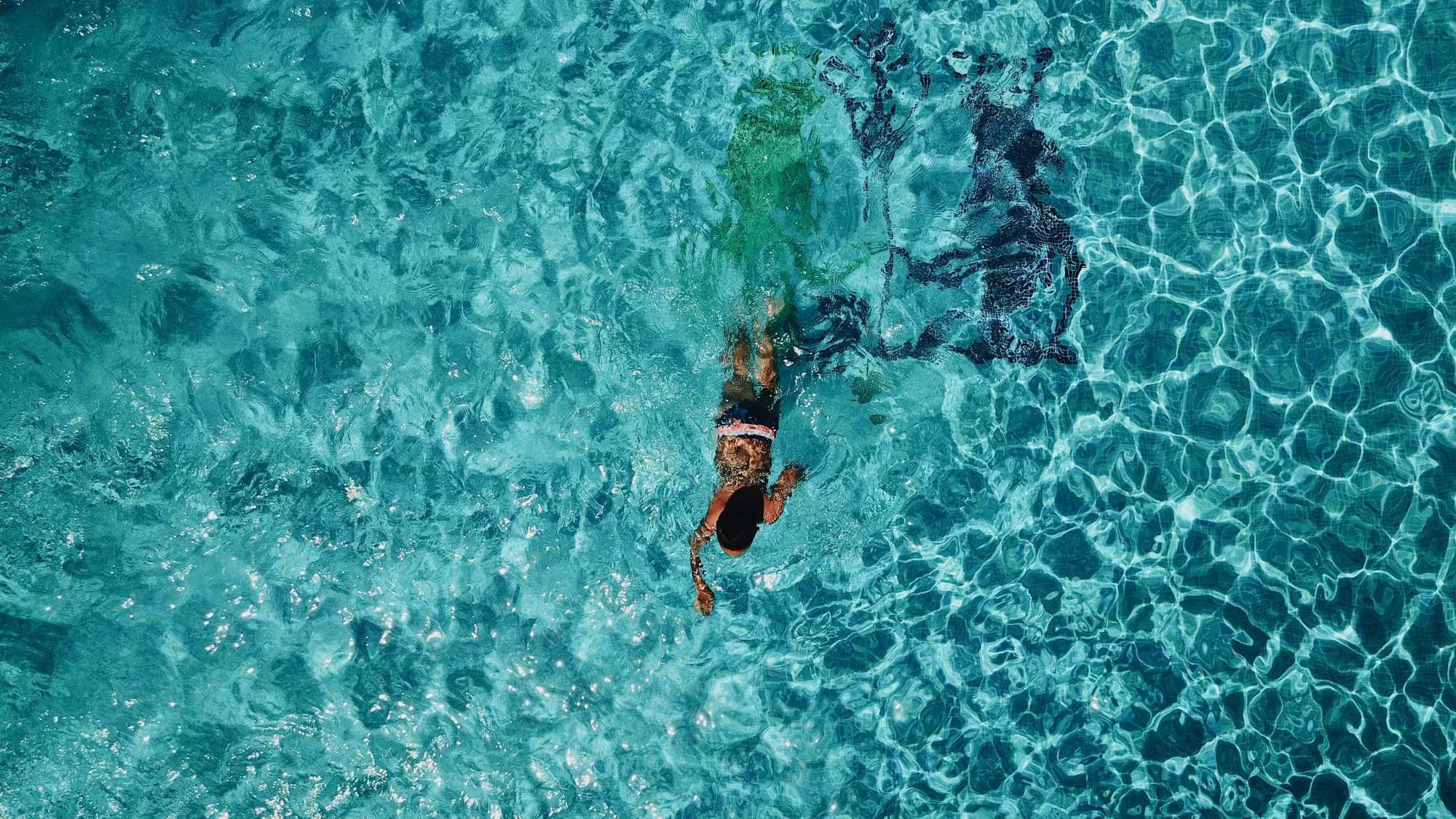
Beneath the Surface: A Journey Through the World of Diving

Diving is a gateway to another world, an exhilarating activity that allows individuals to immerse themselves in the depths of the ocean and explore its many wonders. From the vibrant colors of coral reefs to the mysterious allure of underwater caves, diving offers a unique connection to nature that few other activities can match. In this article, we will explore various diving disciplines, each presenting its own techniques, experiences, and the personal journeys of those who embrace the underwater realm.

At the heart of recreational diving lies scuba diving, a discipline that allows enthusiasts to explore the underwater world with the aid of self-contained breathing apparatus. Scuba diving is accessible to many, with numerous dive schools around the globe offering certification courses for beginners. These courses typically cover essential skills such as equipment usage, safety protocols, and basic underwater navigation, enabling divers to confidently explore the depths.

The experience of scuba diving is transformative. As divers descend into the ocean, they are greeted by a stunning panorama of marine life. The vibrant colors of coral reefs and the diversity of species create a breathtaking backdrop that captivates the senses. Each dive provides an opportunity to connect with the ocean and its inhabitants, fostering a deep appreciation for marine ecosystems. Many divers report that the feeling of weightlessness and the serene underwater silence create a unique sense of peace, allowing them to escape the stresses of everyday life.

For those seeking deeper challenges, technical diving offers a thrilling adventure that goes beyond the standard recreational dive. This advanced discipline requires specialized training and equipment, enabling divers to explore greater depths and more complex environments, such as underwater caves and wrecks. Technical diving involves the use of mixed gases and meticulous planning to manage the risks associated with extended bottom times.

The rigorous training for technical diving prepares divers for the unique challenges they may face underwater. Understanding decompression theory and gas management is crucial for safety, as is familiarity with advanced equipment and emergency procedures. For many technical divers, the allure of the unknown drives them to seek out the hidden treasures of the ocean, whether it’s a long-forgotten shipwreck or the intricate formations of a submerged cave.

Freediving, or apnea diving, presents an entirely different approach to exploring underwater environments. This discipline emphasizes breath-holding techniques, allowing divers to descend into the depths without any breathing apparatus. Freediving encourages a deep connection with the ocean and fosters a sense of tranquility as divers glide through the water on a single breath.

Competitive freediving has gained popularity, with various disciplines testing breath-holding abilities, distance, and depth. Static apnea involves holding one’s breath while submerged, while dynamic apnea focuses on distance swimming underwater. Each competition showcases the extraordinary capabilities of the human body and the art of breath control. Freedivers often describe their experiences as a harmonious dance with the ocean, where mindfulness and focus lead to a profound appreciation for the underwater world.

For those new to the underwater experience, snorkeling offers an accessible way to explore marine life without the need for extensive training or equipment. With a mask, snorkel, and fins, snorkelers can glide across the surface of shallow waters, observing the beauty beneath them. This activity is ideal for families and casual beachgoers who want to experience the wonders of the ocean in a relaxed setting.

Snorkeling is particularly popular in tropical destinations, where clear waters and vibrant coral reefs provide ideal conditions for exploration. As snorkelers float above the coral, they can witness a dazzling array of marine species, from schools of colorful fish to graceful rays. This simplicity and accessibility make snorkeling a fantastic introduction to the underwater world, encouraging many to consider further diving adventures.

In the realm of professional diving, commercial diving plays a critical role in various industries, including construction, maintenance, and marine research. Commercial divers are trained to perform essential tasks such as underwater welding, inspection, and salvage operations. This discipline requires specialized training and advanced equipment to ensure safety and effectiveness while working in challenging environments.

The work of commercial divers is vital to many projects, showcasing the practical applications of diving techniques. These professionals face unique challenges, including strong currents and complex tasks that demand precision and skill. Completing a successful dive can be immensely rewarding, as commercial divers contribute to important infrastructure and environmental research, often playing a crucial role in maintaining and enhancing underwater systems.

As technology advances, underwater photography and videography have emerged as popular disciplines within the diving community. Equipped with specialized cameras, divers can capture stunning images and footage of marine life, coral reefs, and underwater landscapes. This art form not only enhances personal diving experiences but also raises awareness about marine conservation and the importance of protecting our oceans.

The ability to share underwater photographs and videos on social media has fostered a vibrant community of diving enthusiasts who celebrate the beauty of the ocean. Many divers participate in photography contests or exhibitions, showcasing their unique perspectives of the underwater world. Through their lens, they tell stories of marine ecosystems, encouraging others to appreciate and protect these fragile environments.

Cave diving offers an adventurous opportunity to explore the hidden wonders of submerged cave systems. This discipline requires specialized training and equipment due to the complexities of navigating confined spaces. Cave divers embark on extraordinary journeys through intricate passages, witnessing stunning geological formations and unique ecosystems that thrive in darkness.

Safety is of utmost importance in cave diving, and divers must be well-versed in navigation techniques and emergency protocols. The experience can feel like stepping into another realm, where time stands still, and nature’s beauty is revealed in captivating ways. Many divers find that the tranquility of cave diving provides a unique sense of connection with the environment, allowing them to reflect on the wonders of nature.

Ice diving presents another unique facet of underwater exploration, allowing divers to venture beneath frozen surfaces. This discipline requires specific skills and equipment, including dry suits and specialized safety protocols. Ice divers often explore lakes or oceans that are covered in a layer of ice, revealing a serene and stunning underwater landscape transformed by the cold.

The contrast between the icy surface and the vibrant marine life below creates a mesmerizing experience, offering a perspective that few get to witness. Ice diving can be both exhilarating and peaceful, as divers encounter species that thrive in cold environments and observe the interplay of light filtering through the ice. This discipline attracts those who wish to experience the ocean in a different context, providing a sense of adventure like no other.

Lastly, night diving opens up a new world of underwater exploration, allowing divers to witness the ocean in a completely different light. Armed with specialized lights, divers illuminate their surroundings, revealing nocturnal marine life that often goes unseen during the day. Night diving transforms familiar dive sites, making every dive feel like a fresh adventure.

The experience of night diving is truly unique; the ocean comes alive in ways that daylight cannot reveal. Bioluminescent organisms create a magical atmosphere, while the serenity of the underwater world at night offers a new perspective on marine ecosystems. For those looking to broaden their diving experiences, night diving provides an exciting opportunity to engage with the ocean in a different way.

In conclusion, the world of diving is rich with diverse disciplines, each offering unique experiences and opportunities for exploration. Whether you are drawn to the thrill of scuba diving, the tranquility of snorkeling, or the adventure of cave diving, the underwater realm awaits. By understanding the various techniques and experiences each discipline encompasses, divers can find their perfect fit and embark on unforgettable journeys. As divers immerse themselves in these experiences, they also become ambassadors for marine conservation, fostering a deeper appreciation for the oceans and the treasures they hold.

Exploring the Rich Tapestry of Fishing Techniques Around the World

Fishing is a practice that transcends borders and cultures, serving as a source of nourishment, recreation, and cultural identity for countless societies around the globe. With a history that stretches back to ancient times, fishing techniques have evolved, shaped by geography, tradition, and innovation. This article explores the diverse methods of fishing, delving into their historical backgrounds, cultural importance, and the pressing need for sustainable practices in the face of contemporary challenges.

The Historical Roots of Fishing

The practice of fishing dates back to prehistoric times, when early humans relied on aquatic resources for sustenance. Archaeological evidence, including ancient fishing tools such as hooks made from bone and stone, suggests that various fishing methods were employed by hunter-gatherer societies. These early techniques were simple, involving the use of spears, nets, and traps to catch fish in rivers, lakes, and coastal waters.

As civilizations developed, so did fishing techniques. In ancient Egypt, fishing was not only a crucial source of food but also a symbol of wealth and abundance. Hieroglyphics depict fishermen casting nets into the Nile River, illustrating the significance of fish in the daily lives of the Egyptians. Similarly, ancient Greek and Roman cultures celebrated fishing in their literature and art, recognizing its economic importance and its role in the culinary traditions of the time.

Diverse Fishing Techniques Around the Globe

Today, fishing techniques are as varied as the cultures that practice them. Here, we highlight some of the most prominent methods used worldwide:

1. Angling

Angling is one of the most widely practiced forms of fishing, characterized by the use of a rod and reel to catch fish. This method encompasses various styles, including spinning, baitcasting, and fly fishing. Spinning involves casting lures or bait into the water using a spinning rod and reel, allowing anglers to target a wide range of fish species, from freshwater bass to saltwater snapper. The simplicity and effectiveness of spinning have made it a favorite among recreational fishers.

Fly fishing is a specialized form of angling that employs artificial flies to mimic insects and baitfish. This technique is particularly popular in freshwater rivers and streams, requiring skill and a deep understanding of fish behavior and aquatic ecosystems. Many anglers find fly fishing to be a meditative experience, providing a unique connection to nature as they observe the subtleties of the water.

2. Net Fishing

Net fishing includes a variety of techniques, such as casting nets and seine nets. Casting nets are thrown into the water to capture fish by ensnaring them, while seine nets are larger nets pulled through the water to encircle schools of fish. These methods often require teamwork and coordination, especially in community fishing practices where families and friends gather to maximize their catch.

In many coastal cultures, net fishing is accompanied by cultural traditions and communal events. Fishing festivals celebrate the bounty of the sea and reinforce social bonds, emphasizing the importance of fishing as both a livelihood and a cultural practice. These celebrations not only honor the catch but also promote the responsible management of marine resources.

3. Trawling

Trawling is predominantly used in commercial fishing and involves dragging large nets through the water to capture fish and other marine species. There are two main types: bottom trawling, which occurs along the seafloor, and midwater trawling, targeting pelagic species. While trawling can result in substantial catches, it raises significant concerns regarding environmental sustainability, particularly in relation to habitat destruction and bycatch.

To address these challenges, many fishing communities are advocating for sustainable trawling practices. This includes the development of selective gear designed to reduce bycatch and adhering to catch limits that protect vulnerable species. These efforts aim to balance the economic benefits of trawling with the need to preserve marine ecosystems for future generations.

4. Spearfishing

Spearfishing offers a more intimate and immersive approach to fishing, where anglers hunt fish underwater using a spear or spear gun. This technique can be practiced while free diving or using scuba gear, allowing for a unique connection with marine life. Spearfishing requires skill, patience, and knowledge of underwater environments, making it both challenging and rewarding.

In many coastal cultures, spearfishing is not just a means of gathering food but also an essential cultural practice. It is often associated with rites of passage and community identity, emphasizing respect for the ocean and its resources. In Polynesian societies, for example, spearfishing is celebrated as a tradition that honors the marine environment and promotes sustainable practices.

5. Ice Fishing

Ice fishing is a distinctive technique practiced in regions where lakes and rivers freeze during winter. Anglers drill holes in the ice to catch fish, using specialized equipment like ice shelters to protect against the cold. This method often involves jigging or setting up tip-ups to attract fish beneath the ice.

Ice fishing has grown in popularity as a social activity, bringing together friends and families during the winter months. Many communities host ice fishing tournaments and festivals, celebrating this unique winter pastime and fostering a sense of camaraderie among participants.

The Cultural Significance of Fishing

Fishing is more than a means of sustenance; it plays a vital role in the cultural identities of many societies. In Japan, for instance, fishing traditions are deeply rooted in the nation’s culture, celebrated through various festivals that honor the sea’s bounty. Events like the Aoi Matsuri highlight the importance of fish in Japanese cuisine and cultural heritage, fostering gratitude and respect for marine resources.

Indigenous cultures often hold fishing in spiritual regard, with rituals designed to honor the fish and the ecosystems that support them. Many Native American tribes conduct fishing ceremonies that emphasize the importance of sustainable practices and respect for aquatic life. These traditions reflect a profound understanding of the interconnectedness of all living beings and the responsibility to protect natural resources for future generations.

Sustainability in Fishing

As the global demand for seafood continues to rise, concerns about overfishing and the health of marine ecosystems have become increasingly urgent. Many fishing communities and organizations are advocating for sustainable practices to ensure that fish populations remain viable for the future.

Aquaculture, or fish farming, has emerged as a potential solution to the pressures on wild fish stocks. By cultivating fish in controlled environments, aquaculture can provide a reliable source of seafood while minimizing the impact on natural habitats. However, it is essential that aquaculture practices are managed responsibly to avoid issues such as pollution and habitat degradation.

Technological advancements are also playing a crucial role in promoting sustainable fishing practices. Innovations in monitoring systems, data analytics, and selective gear have improved the ability to manage fish populations effectively. Many countries are implementing stricter regulations to protect marine resources, emphasizing the importance of environmental stewardship.

The Future of Fishing

The future of fishing lies in balancing the preservation of traditional practices with the adoption of innovative approaches to sustainability. As fishing communities adapt to changing environmental conditions and consumer demands, the importance of maintaining cultural heritage while promoting responsible fishing practices becomes increasingly clear.

Education and outreach are essential in fostering a sense of responsibility among anglers. By encouraging sustainable habits and promoting awareness of the ecological impacts of fishing, communities can work together to safeguard aquatic resources for future generations. This includes promoting catch-and-release practices, adhering to fishing quotas, and participating in conservation initiatives.

Conclusion

Fishing is a rich and diverse activity that encompasses a wide range of techniques, traditions, and cultural significance around the world. From ancient practices to modern innovations, fishing has shaped societies and connected people to the natural environment. As we confront the challenges of sustainability in the 21st century, it is crucial to embrace practices that honor both our cultural heritage and the health of our ecosystems. By understanding the various methods of fishing and their cultural implications, we can ensure that this timeless pursuit continues to thrive for generations to come.

Cycling Adventures: Discovering Styles, Benefits, and Community Spirit

Cycling is not merely a form of transportation; it embodies a lifestyle rich with adventure, fitness, and community. With numerous styles to explore, cyclists can find a niche that aligns with their interests and goals. Whether you prefer the speed of road racing or the tranquility of bike touring, cycling offers something for everyone. This article delves into the diverse world of cycling, examining its various styles and the benefits they bring to riders and communities alike.

Road Cycling

Road Cycling is one of the most accessible forms of cycling, appealing to a wide audience, from casual riders to competitive athletes. At the heart of road cycling lies Road Racing, a thrilling discipline where cyclists compete on paved surfaces. Events can vary from short, fast-paced criteriums to prestigious multi-stage races like the Tour de France. Road racing not only tests a cyclist’s physical endurance but also their mental acuity, as strategy plays a critical role in achieving success. Cyclists often form teams, fostering a sense of camaraderie that extends beyond the race itself. Team training sessions and shared experiences create lasting friendships and a strong community bond.

On the other hand, Endurance Riding offers a different perspective on road cycling. This discipline focuses on long-distance riding, allowing cyclists to enjoy the journey at a more leisurely pace. Events such as randonneuring challenge riders to cover extensive distances within specific timeframes, often taking them through scenic landscapes and quiet roads. The sense of accomplishment that comes from completing a long ride is immensely rewarding, and the endurance riding community is known for its encouragement and support, making each ride a shared adventure.

Mountain Biking

Moving off the pavement, Mountain Biking introduces cyclists to the thrill of rugged terrains and natural landscapes. Cross-Country (XC) mountain biking emphasizes endurance and skill as riders navigate varied trails filled with climbs and descents. The experience of being immersed in nature, surrounded by trees and wildlife, adds an unparalleled dimension to cycling. Cyclists often discover new trails that challenge their abilities, fostering a love for exploration and adventure. This connection to nature is a significant draw for many mountain bikers, who find joy in both the physical challenge and the beauty of the outdoors.

For those seeking an adrenaline rush, Downhill (DH) mountain biking offers an exhilarating experience. Cyclists descend steep, technical trails at high speeds, maneuvering jumps and obstacles that test their skills and courage. The satisfaction of conquering a challenging descent is matched by the thrill of the ride, and the DH community thrives on sharing techniques and experiences. The sense of achievement in mastering difficult trails fosters a strong bond among riders, creating a supportive network that encourages growth and confidence.

Enduro cycling combines elements of both cross-country and downhill, providing a unique racing format that appeals to a wide range of cyclists. Participants tackle timed downhill sections interspersed with untimed climbs, showcasing their versatility and skill. This blend of challenges encourages riders to push their limits, while the community around Enduro racing is known for its friendly and inclusive atmosphere. Riders often support one another, celebrating each other’s successes and sharing their passion for the sport.

BMX (Bicycle Motocross)

BMX cycling is characterized by its fast-paced action and thrilling competitions. In BMX Racing, cyclists compete on dirt tracks specifically designed with jumps, berms, and other obstacles. The races are short but intense, requiring quick reflexes and sharp focus. The excitement of BMX racing captivates both participants and spectators, creating an electrifying atmosphere at events. The BMX community is vibrant and welcoming, with riders of all ages coming together to share their passion for the sport.

In contrast, Freestyle BMX allows riders to showcase their creativity and skill. Competitors perform tricks and maneuvers on ramps and urban obstacles, emphasizing individual style and innovation. Freestyle events often encourage riders to experiment and push the boundaries of what’s possible on a bike. The freestyle BMX community is known for its support and encouragement, as riders inspire each other to improve and express themselves through their riding.

Cyclocross

Cyclocross is a unique discipline that combines various terrains and challenges, typically raced during the fall and winter months. Cyclists navigate courses featuring a mix of grass, dirt, and mud, often requiring them to dismount and carry their bikes over obstacles. This dynamic format makes cyclocross races exciting and unpredictable. The atmosphere during cyclocross events is electric, with enthusiastic fans cheering on competitors through challenging conditions. The cyclocross community is passionate and vibrant, bringing together riders who share a love for this demanding sport.

Track Cycling

For those who enjoy speed and precision, Track Cycling offers thrilling competitions on banked oval tracks known as velodromes. Cyclists use fixed-gear bikes to compete in events such as sprints, pursuits, and omnium races. The excitement of racing closely with others at high speeds creates a unique atmosphere, fostering a strong sense of community among track cyclists. The camaraderie in the velodrome is palpable, as riders support each other and celebrate their achievements, creating lasting friendships in the process.

Touring

Bike Touring invites cyclists to embark on long-distance journeys, exploring diverse landscapes and cultures. Riders can choose between self-supported trips or those assisted by support vehicles, emphasizing the adventure of discovery. Traveling thousands of miles allows cyclists to experience the world from a unique perspective, creating unforgettable memories along the way. The touring community is known for its generosity and support, as experienced riders often share tips and resources with newcomers. The friendships formed during these journeys create a network of support that lasts long after the ride is over.

Recumbent Cycling

Recumbent Cycling presents a comfortable alternative for those seeking a different riding experience. Recumbent bikes feature a reclined seating position, which reduces strain on the body and provides a relaxed riding posture. This style appeals to a wide range of cyclists, including those who may have physical limitations or simply prefer a more leisurely approach to cycling. The recumbent community values inclusivity, encouraging individuals to enjoy cycling at their own pace while fostering connections with fellow riders.

Electric Biking (E-bikes)

In recent years, Electric Biking has gained popularity, making cycling more accessible to a broader audience. E-bikes are equipped with electric motors that assist riders as they pedal, making it easier to tackle hills and cover longer distances. This technology has opened doors for many who might have felt intimidated by traditional cycling. The e-bike community is diverse and welcoming, with riders enjoying the benefits of cycling while minimizing barriers. Whether for commuting or leisure, e-bikes provide a flexible and enjoyable way to experience cycling.

Indoor Cycling

Indoor Cycling, especially through spin classes, has become a popular fitness trend in recent years. These classes are typically led by enthusiastic instructors who guide participants through high-intensity workouts on stationary bikes. Focusing on intervals and varying intensities, indoor cycling provides an effective cardiovascular workout while promoting motivation through group dynamics. The camaraderie built in spin classes encourages participants to challenge themselves and stay committed to their fitness goals, fostering a supportive and inspiring environment.

Bike Polo

Finally, Bike Polo offers an exciting twist on the traditional sport, using bicycles instead of horses. Played on grass or hard courts, this team sport promotes coordination, strategy, and teamwork. The blend of cycling and competitive spirit makes bike polo an engaging activity for participants, creating a lively community where players can learn and grow together. Clubs often encourage newcomers to join, fostering a welcoming environment that celebrates the joy of cycling.

Conclusion

In conclusion, cycling is a diverse and enriching activity that offers something for everyone, regardless of skill level or interest. From the thrill of road racing to the tranquility of bike touring, each style has its unique charm and benefits. The cycling community continues to grow, with enthusiasts from all backgrounds coming together to celebrate their shared love for the sport. Whether you are an experienced cyclist or just beginning your journey, the vibrant world of cycling awaits, offering endless opportunities for adventure, connection, and personal growth.

Exploring the Thrill of Freestyle Snowboarding: Tricks and Techniques

Freestyle snowboarding is one of the most exhilarating and creative aspects of the sport, allowing riders to express themselves through a variety of tricks and maneuvers. This discipline emphasizes creativity and style, inviting riders to push their limits in terrain parks and halfpipes. Whether you’re a seasoned pro or a beginner eager to learn, understanding the fundamentals of freestyle snowboarding can greatly enhance your experience on the slopes.

The Basics of Freestyle Snowboarding

Freestyle snowboarding encompasses a range of tricks performed on various features found in terrain parks, including rails, boxes, jumps, and halfpipes. At its core, freestyle is about creativity and personal expression, which sets it apart from other disciplines like freeride or alpine snowboarding. To start your journey into freestyle, it’s essential to familiarize yourself with the basic features and safety practices.

Before hitting the terrain park, ensure your snowboard is well-suited for freestyle riding. A shorter board is typically preferred, as it allows for better maneuverability and easier tricks. Additionally, your bindings should be set at an angle that feels comfortable for you, often with a slightly duck-footed stance (both feet angled outward) to facilitate switch riding.

Understanding Terrain Park Features

Terrain parks are specifically designed spaces where snowboarders can practice tricks and skills. Each feature presents unique challenges and opportunities for creativity. The most common features include:

1. Jumps: These can range from small kickers to large, table-top jumps. Mastering how to approach and land jumps is essential for any freestyle rider.
2. Rails and Boxes: These features allow riders to practice sliding, grinds, and balance tricks. It’s crucial to start with smaller features before progressing to more complex ones.
3. Halfpipes: A U-shaped structure that enables riders to gain height and perform aerial tricks. Riding a halfpipe requires understanding your body positioning and how to generate momentum.

Fundamental Tricks to Master

As a freestyle snowboarder, there are several foundational tricks that you should focus on mastering. Starting with simpler tricks will build your confidence and skillset:

– Ollie: The ollie is the fundamental jumping technique that enables riders to lift off the ground without a ramp. Practice this by popping off your back foot while pushing your front foot down.
– Nose Grab and Tail Grab: These tricks involve reaching down to grab the nose or tail of your board while in the air, adding style to your jumps.
– 180 and 360 Spins: Begin with a 180-degree spin, then progress to a full 360. These tricks involve rotation while in the air and require a combination of timing and body movement.
– Board Slides: Practicing sliding on rails and boxes begins with simple board slides, where you ride the feature sideways.

Developing Your Style

Freestyle snowboarding is not only about executing tricks; it’s also about developing your personal style. As you practice and gain confidence, think about how you can add your flair to your movements. This could mean tweaking your grabs, adjusting your body positioning, or even how you enter and exit features. Observing experienced riders can provide inspiration, but ultimately, your style should reflect your personality.

Safety and Progression

While freestyle snowboarding can be thrilling, safety should always be a priority. Begin by wearing proper protective gear, including a helmet, wrist guards, and knee pads. Always inspect features before riding them, ensuring they are safe and in good condition.

As you progress, set realistic goals for yourself. Start with smaller jumps and features, and gradually work your way up to more challenging elements. Recording your sessions can also help you analyze your technique and track your improvements over time.

The Community and Culture of Freestyle Snowboarding

Freestyle snowboarding boasts a vibrant community that celebrates creativity, camaraderie, and passion for the sport. Many snowboarders enjoy sharing their experiences, whether through social media, local competitions, or group rides. Engaging with the community can inspire you to improve and expand your skill set.

Participating in local competitions or jam sessions can be a great way to test your skills and meet fellow riders. These events foster a friendly atmosphere where everyone encourages each other to push their limits. Additionally, many resorts offer freestyle camps where riders can receive personalized instruction and guidance from experienced professionals.

The Future of Freestyle Snowboarding

As snowboarding continues to evolve, freestyle techniques and tricks are becoming more innovative. Riders are constantly pushing boundaries, experimenting with new maneuvers, and redefining what is possible on a snowboard. The inclusion of freestyle events in major competitions, including the Winter Olympics, highlights the discipline’s growing popularity and significance.

The integration of technology in snowboarding is also shaping the future of freestyle. Virtual reality and advanced filming techniques are enabling riders to analyze their performances in unprecedented ways, leading to quicker progression and refinement of skills.

Conclusion: Embrace the Thrill

Freestyle snowboarding offers a unique blend of excitement, creativity, and community. By mastering the essential techniques and embracing your personal style, you can elevate your experience on the slopes. Remember that progression takes time, and the key is to enjoy every moment, celebrate your achievements, and continuously challenge yourself. As you dive into the thrilling world of freestyle snowboarding, let your passion guide you to new heights and unforgettable experiences on the mountain.

Exploring the Thrill of Snowboarding: A Beginner’s Guide

Snowboarding is not just a sport; it’s an exhilarating experience that offers a unique connection to nature and the thrill of gliding down powdery slopes. For beginners, stepping onto a snowboard for the first time can be both exciting and daunting. This guide aims to equip newcomers with essential knowledge, from gear selection to basic techniques, to ensure a smooth and enjoyable start on the mountain. To begin your snowboarding journey, the first step is to invest in the right gear. Your choice of snowboard, boots, and bindings plays a crucial role in your overall experience. When selecting a snowboard, consider your riding style and the terrain you plan to tackle. Snowboards come in various shapes, sizes, and flex ratings, each designed for specific styles—freestyle, all-mountain, or freeride. For beginners, an all-mountain board is often the best choice as it provides versatility across different terrains. Ensure that your board’s length is appropriate for your height and weight, as this will significantly affect your control and stability. Equally important is the selection of boots. Comfort is paramount; ill-fitting boots can lead to discomfort and hinder your performance. Look for boots that provide good ankle support while still allowing for flexibility. As a general rule, softer boots are more forgiving for beginners, while stiffer boots offer better responsiveness for advanced riders. Bindings are the final piece of the puzzle, connecting your boots to the board. When choosing bindings, ensure they are compatible with your board and offer adjustable straps for a secure fit. Once you have your gear sorted, it’s time to focus on the fundamental techniques of snowboarding. Start by learning how to properly strap into your snowboard. This process is essential for getting comfortable and ensuring your safety on the slopes. Practice getting up from a seated position while strapped in, as this is a skill you’ll need frequently. Next, it’s important to familiarize yourself with your stance. Most riders either ride regular (left foot forward) or goofy (right foot forward). Determining your natural stance will help you maintain balance and control while riding. A simple way to find your stance is to see which foot you instinctively put forward when sliding on ice or snow. Once you’ve strapped in and established your stance, the next step is to practice gliding on flat terrain. Push yourself along using your back foot, keeping your knees slightly bent for balance. This will help you get a feel for the board and build confidence before tackling any slopes. When you’re ready to hit the slopes, start with gentle, beginner-friendly runs. Focus on maintaining a low center of gravity by keeping your knees bent and your body relaxed. As you begin to gain speed, practice your turns by shifting your weight from your toes to your heels. This technique, known as edge control, is vital for maneuvering your board effectively. As you become more comfortable with turning, experiment with linking your turns. To do this, initiate a turn by leaning into it, then smoothly transition your weight to the opposite edge to complete the turn. Linking turns allows you to maintain speed and control, enhancing your overall riding experience. Another essential skill for beginners is learning how to stop. The most common method is the heel edge stop. To perform this, shift your weight onto your heels while applying pressure to the back of the board, effectively dragging it in the snow to slow down. Practicing stopping on flat terrain will build your confidence and ensure you feel in control when navigating slopes. As you progress, consider exploring different terrains and features. Many resorts offer terrain parks designed for practicing tricks and jumps. Start with small features, such as boxes or mini jumps, and focus on your takeoff and landing techniques. When approaching a jump, maintain a steady speed, and keep your knees slightly bent as you leave the lip of the jump. In the air, stay compact, and prepare for landing by bending your knees to absorb the impact. As with any sport, safety should be a priority. Wearing appropriate protective gear is essential, particularly for beginners. A helmet is a must, as it provides vital protection against falls. Additionally, consider wearing wrist guards, knee pads, and padded shorts to minimize the risk of injury as you learn. As you become more comfortable with your riding skills, consider taking lessons from a qualified instructor. Professional guidance can significantly accelerate your learning process and help you avoid developing bad habits. Many ski resorts offer group or private lessons tailored to different skill levels, ensuring you receive the support you need to progress. Beyond technique and gear, snowboarding is also about community and camaraderie. Riding with friends or joining a local snowboarding group can enhance your experience on the mountain. Sharing tips, challenges, and victories with fellow riders fosters a sense of belonging and encourages you to push your boundaries. Remember to set realistic goals for yourself as you progress. Whether it’s mastering a specific trick, improving your turns, or simply enjoying a day on the slopes, having clear objectives will keep you motivated and engaged in your snowboarding journey. Additionally, don’t forget to celebrate your achievements, no matter how small they may seem. Snowboarding is a continuous learning process, and every step forward is a success. Finally, staying physically fit will enhance your snowboarding performance. Core strength, balance, and flexibility are key components of effective riding. Incorporate strength training and cardio exercises into your routine, and don’t underestimate the benefits of stretching before and after your sessions. This preparation will improve your stamina and reduce the risk of injury. In conclusion, snowboarding is a thrilling and rewarding sport that offers endless opportunities for adventure and self-discovery. By investing in the right gear, mastering essential techniques, prioritizing safety, and engaging with the snowboarding community, you can create memorable experiences on the slopes. Embrace the journey, stay patient with yourself, and most importantly, have fun!

Cycling for Everyone: A Guide to Choosing Your Perfect Ride

Choosing the right bicycle can be a transformative decision that enhances your cycling experience, whether you’re a casual rider or a dedicated cyclist. With a myriad of options available, understanding the different types of bicycles and their intended uses is essential. In this article, we will explore the various categories of bicycles, their features, and what to consider when selecting the perfect ride for your lifestyle.

Understanding Bicycle Types
Bicycles come in many shapes and sizes, each designed for specific purposes. Knowing the distinctions among them will help you make an informed decision based on your cycling goals.

Road Bikes
Road bikes are lightweight and designed for speed on paved surfaces. They typically feature thin tires, drop handlebars, and a lightweight frame. These bikes are ideal for riders who enjoy long-distance rides, racing, or commuting on city streets. If your primary focus is speed and efficiency, a road bike may be the right choice for you.

Key Features:
– Lightweight construction for speed.
– Drop handlebars for an aerodynamic position.
– Narrow tires for reduced rolling resistance.

Mountain Bikes
Mountain bikes are built for rugged terrain and off-road trails. They feature wider tires with deep treads for improved traction, a sturdy frame, and a suspension system to absorb shocks. Mountain biking is perfect for those who seek adventure on trails, steep hills, and uneven surfaces. If you enjoy exploring nature or tackling challenging terrains, consider investing in a mountain bike.

Key Features:
– Wide tires with aggressive treads for traction.
– Suspension systems (either hardtail or full-suspension) to absorb bumps.
– A more upright riding position for better control.

Hybrid Bikes
Hybrid bikes combine features of road and mountain bikes, making them versatile and suitable for various terrains. They usually have a comfortable, upright riding position, wider tires than road bikes, and flat handlebars for easier handling. Hybrid bikes are perfect for casual riders who may encounter both paved roads and dirt paths. If you’re looking for a bike that can handle multiple environments, a hybrid bike might be the way to go.

Key Features:
– A balance of speed and comfort.
– Wider tires than road bikes for stability.
– A relaxed riding position.

Touring Bikes
Touring bikes are designed for long-distance travel and carrying heavy loads. They are built for comfort over extended periods and often come equipped with mounts for racks and fenders. If you’re planning to embark on multi-day trips with gear, a touring bike is an excellent option, as it provides stability and comfort for long hours of cycling.

Key Features:
– Sturdy frames to support extra weight.
– Comfortable geometry for long rides.
– Multiple gears for handling various terrains.

BMX Bikes
BMX bikes are designed for performing tricks and racing on dirt tracks. They have a compact frame, smaller wheels, and are incredibly durable. BMX riding is often about creativity and skill, making it a fantastic choice for younger riders or anyone interested in stunt riding and racing.

Key Features:
– Compact design for agility.
– Strong construction to withstand jumps and tricks.
– Single gear for simplicity.

Electric Bikes (E-bikes)
Electric bikes are equipped with a motor that assists with pedaling, making cycling easier, especially on hills or longer distances. E-bikes come in various styles, including road, mountain, and hybrid configurations. They are perfect for commuters who want to arrive at their destination without breaking a sweat or for those who wish to enjoy longer rides without fatigue.

Key Features:
– Electric assist for easier pedaling.
– Variety of styles for different riding preferences.
– Often includes battery packs for extended range.

Considerations When Choosing a Bicycle
Now that you understand the different types of bicycles available, here are some essential factors to consider when making your choice:

Purpose
Determine what you primarily intend to use the bike for. Are you looking for a fast commuter bike, a rugged mountain bike for trails, or a comfortable hybrid for casual rides? Your intended purpose will guide your selection.

Fit and Comfort
Choosing the right size and fit is crucial for a comfortable ride. Most bike shops offer fitting services to help you find the correct frame size. Pay attention to the saddle height, handlebar reach, and overall geometry to ensure a comfortable riding position.

Budget
Bicycles come in a wide range of prices. Set a budget before shopping to narrow down your options. Remember to consider additional costs such as helmets, locks, lights, and maintenance when calculating your budget.

Test Ride
Always test ride a bicycle before making a purchase. This will give you a feel for the bike’s handling, comfort, and fit. Many local bike shops offer test rides, so take advantage of this opportunity to ensure you’re satisfied with your choice.

Maintenance
Different bike types may require varying levels of maintenance. Road bikes, for example, need more frequent care due to their lightweight components. Understanding the maintenance needs of your chosen bike will help you plan accordingly.

Conclusion
Choosing the right bicycle is an essential step in enhancing your cycling experience, whether for recreation, commuting, or competition. By understanding the different types of bicycles available and considering your personal preferences and needs, you can find the perfect ride that aligns with your cycling goals. Embrace the journey and enjoy every pedal stroke as you explore the world on two wheels.